
- Trezor released firmware 2.13.1 on 11 November and says it stops the spying implants it has identified from capturing anything.
- The update cannot help a recovery phrase that was already copied. Buyers who bought from reseller CryptoBilis from March 2026 onward are still told to move their funds to a brand new wallet.
- Three devices have been physically confirmed to contain implants. Several of the surrounding figures come from the company’s own account, relayed by other outlets, rather than from anything independently verified.
A firmware update landed on 11 November that Trezor says blocks the spying hardware found inside a small number of its wallets. It does nothing for anyone whose recovery phrase was already read off the screen, and the company’s advice to those buyers has not changed.
A software update can close a hole. It cannot tell you whether something was physically added to your device before it reached your front door, and it cannot un-copy a secret that was copied at setup. If you bought a wallet through a reseller rather than direct from the manufacturer, that distinction is the whole story, and it applies well beyond this one supplier.
What was found inside the devices
The security of a hardware wallet rests on a single secret. When you first set one up, the device generates a recovery phrase, a list of twelve or twenty-four words that can rebuild your wallet, and therefore move your coins, on any compatible device anywhere in the world. The wallet displays that phrase on its own small screen precisely so it never touches a computer or a phone. Our guide to self-custody goes through what that means in practice.
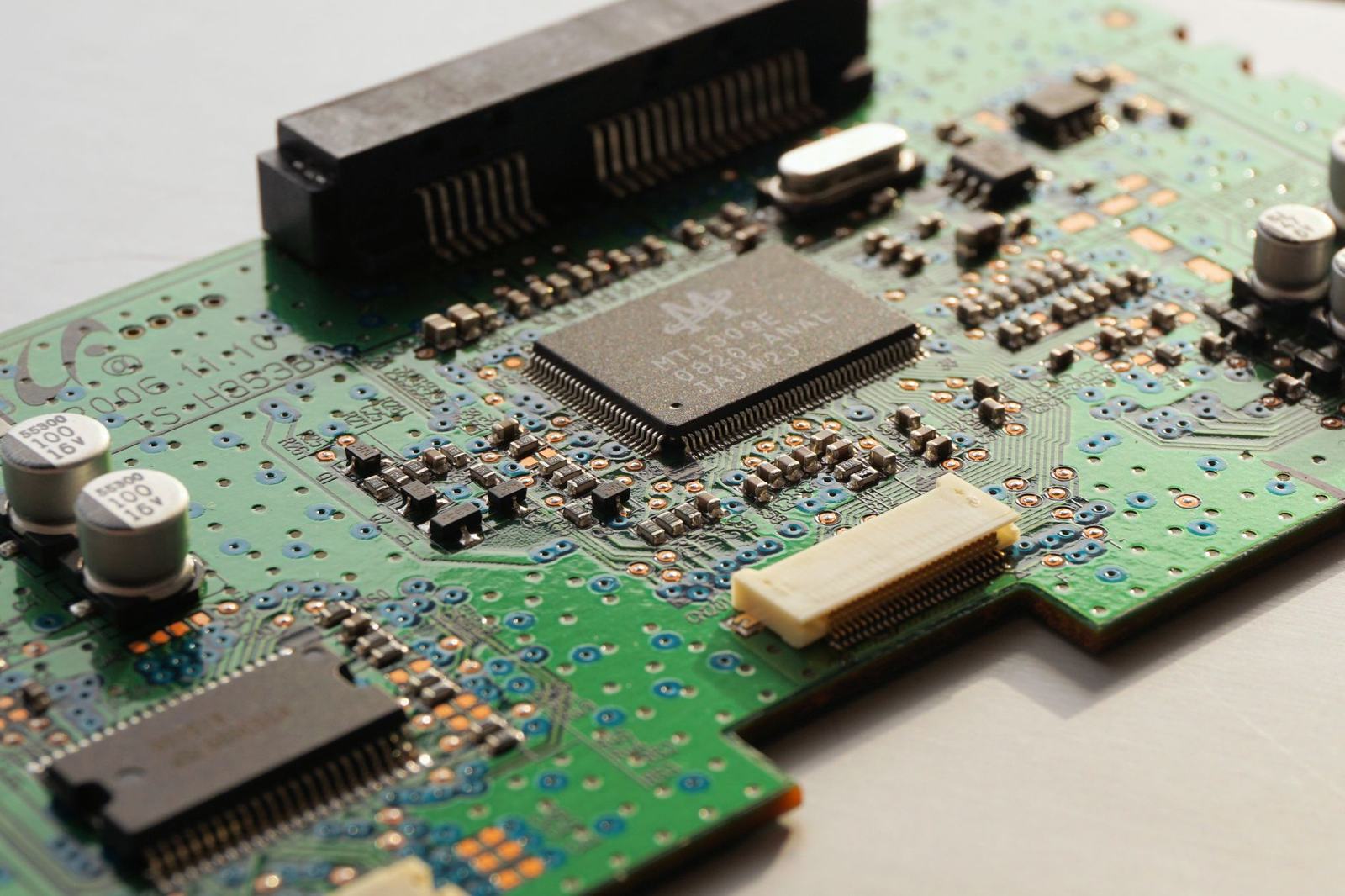
According to Trezor’s technical findings as described by other outlets, the implant was an extra circuit board fitted between the device’s main board and that screen. It copied whatever the screen displayed, which includes the recovery phrase and any passphrase, and transmitted it over a cellular connection to a server controlled by whoever installed it. The device itself never needs to go online. The added hardware brought its own route out.
Trezor says implants have so far been confirmed in three Trezor Safe 5 units, all bought through the reseller CryptoBilis between August and September 2026, and that it has found none in devices from any other reseller or in any other model. “Our embedded team has extracted and analyzed the firmware from the implant,” the company said in its statement.
Why the update can’t reach backwards
Trezor’s own description of what 2.13.1 does is carefully worded. In its statement, the company called it “a firmware update that stops the implants we’ve found from capturing anything.” That is a claim about implants already identified and analysed, and about data captured from the moment the update is installed. It is not a claim of immunity against a redesigned implant, and it says nothing about a phrase that was displayed on a compromised screen months ago.
This is why the guidance has not softened. “No customer has reported losing funds, and our guidance for CryptoBilis buyers hasn’t changed,” the company said. Anyone who bought from that supplier from March 2026 onward is advised to create an entirely new wallet with a new recovery phrase and move their holdings across. Both of those lines come from a company statement about its own investigation, which makes them the vendor’s framing rather than an independent finding, and no customer having reported a loss is a count of complaints rather than a forensic audit of anyone’s coins.
There is a gap worth naming between the three confirmed devices and the far larger group covered by the advice. Our inference, and it is an inference: the company cannot establish how many units in that supply run were touched, so it has drawn the line around the whole purchase window rather than the part it can prove. That is the right call for owners. It also means the size of the problem is still an open question rather than a settled one.
The reseller is the weak point
Trezor removed CryptoBilis as an authorised reseller on 9 October 2026, according to reporting consistent with the company’s stated timeline, and other outlets say it has since cut its authorised reseller network by roughly 80% and that 48 CryptoBilis customers came forward after the October warning. Those figures appear in secondary coverage attributed to Trezor; the full company write-up could not be read directly for this piece.
For a UK reader the practical point is dull and useful. Buying direct from the manufacturer removes one set of hands from the chain. Marketplace listings, third-party sellers and anything described as new-in-box from an unfamiliar storefront do not, and no amount of checking the holographic seal reliably catches a board soldered in behind the display. Ledger told buyers in Berlin to contact support after tampered devices surfaced earlier, and Trezor has already had a shipping partner breached this year. The pattern across both brands is that the device itself keeps holding up and the route it travels does not. If you are weighing the two makers, our Trezor vs Ledger comparison covers how each handles distribution.
What to watch
Whether the confirmed count stays at three. One compromised supplier with three verified units is a contained incident; implants turning up through a second reseller would mean the compromise sat further up the chain than anyone has yet described.
Also whether Trezor publishes the full technical teardown rather than a summary. The company says its engineers have the implant’s firmware. Releasing what they found, including how the boards were installed and at what point in the chain, is what would let other manufacturers and independent researchers check the fix rather than take it on trust. More on hardware and security in our technology section.