
- CoinDesk reports the US has widened its Iran sanctions programme to take in crypto alongside gold, shipping and technology.
- Treasury says one designated individual processed more than $100m in crypto tied to oil sales by the IRGC’s Quds Force since 2023. It has since sanctioned BitBank, a Tehran exchange it says moved hundreds of millions of dollars in bitcoin to the IRGC.
- The BitBank designation is reported by CoinDesk, Cointelegraph and The Block. We still have not seen the primary Treasury notice behind the earlier $100m claim, so that figure continues to rest on a single secondary write-up.
Sanctions announcements rarely reach ordinary holders as news. They reach you as a withdrawal that sits pending for a week with nobody at the exchange willing to say why. That is the part of this week’s Iran package worth your attention, and it is the part the wires skip.
Sanctions screening is one of the most common reasons a perfectly legal crypto transfer gets held up at a UK platform. When the US widens a programme, exchanges and their compliance vendors tend to widen what they flag before any clear guidance exists, so the first people to notice are customers whose money has stopped moving. Nothing here means you have done anything wrong, and nothing here requires you to act. It does explain why transfers may get slower and questions from your platform may get more detailed.
What Treasury is said to have found
According to CoinDesk, the US Treasury has expanded its Iran measures across four areas at once: crypto, gold, shipping and technology. The crypto element centres on an individual Treasury says handled more than $100m in cryptocurrency connected to oil sales by the Islamic Revolutionary Guard Corps’ Quds Force, the external arm of Iran’s Revolutionary Guard, since 2023.
Two things about that claim. It is an assertion by a government agency, not a finding tested in court. A sanctions designation is an administrative action: it freezes assets under US jurisdiction and bars US persons from dealing with the target, and it does not require a criminal charge, a trial or a conviction. And we have not seen the Treasury notice itself, only a secondary report of it, which is why there is no direct quotation anywhere in this piece. We are not repeating the name published in that report either, because a single secondary source is not enough for us to name someone in a matter of this kind.
A named exchange, and a larger number
The programme has since produced its first designated platform. Treasury has sanctioned BitBank, an exchange based in Tehran, saying it transferred hundreds of millions of dollars in bitcoin to the IRGC. Per The Block, Treasury also says BitBank was used by Hormuz Safe, a platform designated earlier in the same programme, to move payments collected from ships since June.
This one we are naming, because it is a company rather than a private individual and because three outlets have reported the designation independently: CoinDesk, Cointelegraph and The Block. It is worth noting that a long-established Japanese exchange trades under a similar name and has nothing to do with any of this.
The scale is oil plumbing, not retail crypto
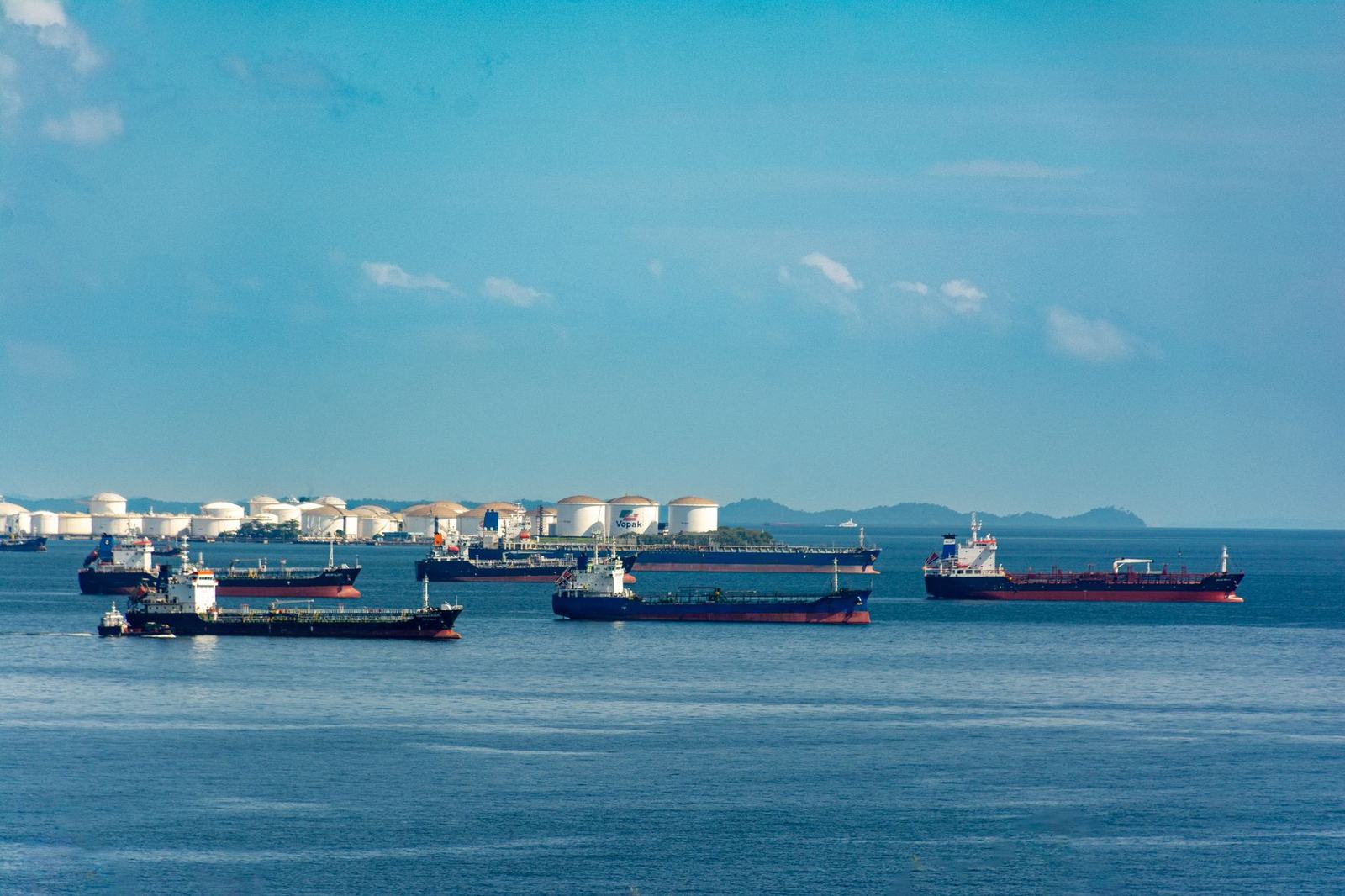
The individual designation was a hundred million dollars. The BitBank figure is several times that, and both are still small in the context described. Spread across years of alleged oil and shipping revenue handling, this is payment infrastructure for a sanctioned energy trade rather than anything resembling ordinary consumer activity. Iranian oil sales run into the tens of billions of dollars a year. Crypto, on this account, is one channel among many.
That distinction matters because the coverage tends to compress into “Iran is using crypto to dodge sanctions”, which invites a much larger conclusion than the figures support.
Authority to sanction is not a list of sanctioned people
Here is the line the reporting blurs. When the US decides that a sector of another country’s economy falls within a sanctions programme, that decision is a grant of authority: it lets Treasury designate people and entities operating in that sector later, at its discretion. It is not itself a roster of banned names, and it does not make an entire industry off limits.
Our reading, offered as inference rather than as something stated in the write-ups we have seen, is that this is the shape of the crypto element: individual designations arriving one at a time, plus a broader hook for future ones. The BitBank action is consistent with that, a named platform added to the list weeks after the programme widened, rather than a blanket prohibition on Iranian crypto activity announced in one go. If the primary documents say otherwise, we will correct this in place.
Why exchanges go wider than the list
The pattern from earlier Iran-linked action is instructive. OFAC first attached specific bitcoin addresses to a designation in 2018, in a case involving ransomware, and the practical response from the industry went considerably further than those addresses. Compliance vendors began scoring wallets by their distance from a flagged address, so coins that had passed through several hops could still trip an alert at deposit.
The effect on ordinary users is indirect but real: deposits held for review, source-of-funds questions on withdrawals that previously went through untouched, and occasionally an account restricted with no explanation offered. Platforms are generally reluctant to say which rule caught you, partly because telling you would tell everyone else how the screening works. If that happens to you, our guide to frozen and delayed withdrawals covers what to ask for and in what order.
The UK position is separate
US designations do not automatically apply in Britain. UK financial sanctions are run by the Office of Financial Sanctions Implementation, part of the Treasury, which maintains its own consolidated list and its own Iran regime. The two overlap heavily but they are not identical, and a name added in Washington is not necessarily added in London.
In practice most UK-facing platforms screen against both, because they either have US corporate exposure or use compliance tooling built primarily around OFAC data. So the operational reality for a UK holder tends to follow the American list regardless of what OFSI has published. Banks behave similarly, which is worth knowing if a payment to or from an exchange gets stopped: our notes on UK banks and crypto payments go through that.
What to watch
Whether more platforms follow BitBank onto the list. A single designated exchange is an enforcement action; a run of them over the autumn would tell you Treasury has decided Iranian crypto venues are a standing target rather than a one-off. Whether OFSI adds BitBank to the UK list is the other half of that, and it will decide how much of this is a British compliance question at all.
After that, the behaviour of the platforms. If deposit holds and source-of-funds requests noticeably increase at UK-facing exchanges over the next few weeks, the screening has widened whatever the legal text says. That is the version of this story most readers will actually experience. More of our coverage sits in Policy.