
- The US Treasury has published proposed rules defining which platforms are allowed to sell stablecoins to American customers, with the restrictions starting in 2027.
- Proposed is not final. There is a comment stage first, and the wording that eventually binds can differ from the wording published now.
- Holding a stablecoin isn’t what’s being restricted. Distribution is, and that’s a decision taken by your platform rather than by you.
Nothing in Washington’s new stablecoin plan stops anybody owning a dollar . The proposal is about the counter rather than the shelf: which platforms are permitted to hand a US customer a stablecoin in the first place, and from when.
Most people meet a stablecoin through an app. You tap buy, a dollar balance appears, and you never think about who was legally allowed to sell it to you. Rules like this decide what shows up in that app, which is why they can change your options without you doing anything wrong or anything at all.
And rules written for American customers rarely stay there. Large exchanges tend to build one compliance system and apply it broadly, because running a separate rulebook per country is expensive. A UK holder buying USDC or USDT on an international platform can end up inside the American design by default.
What Treasury has actually done
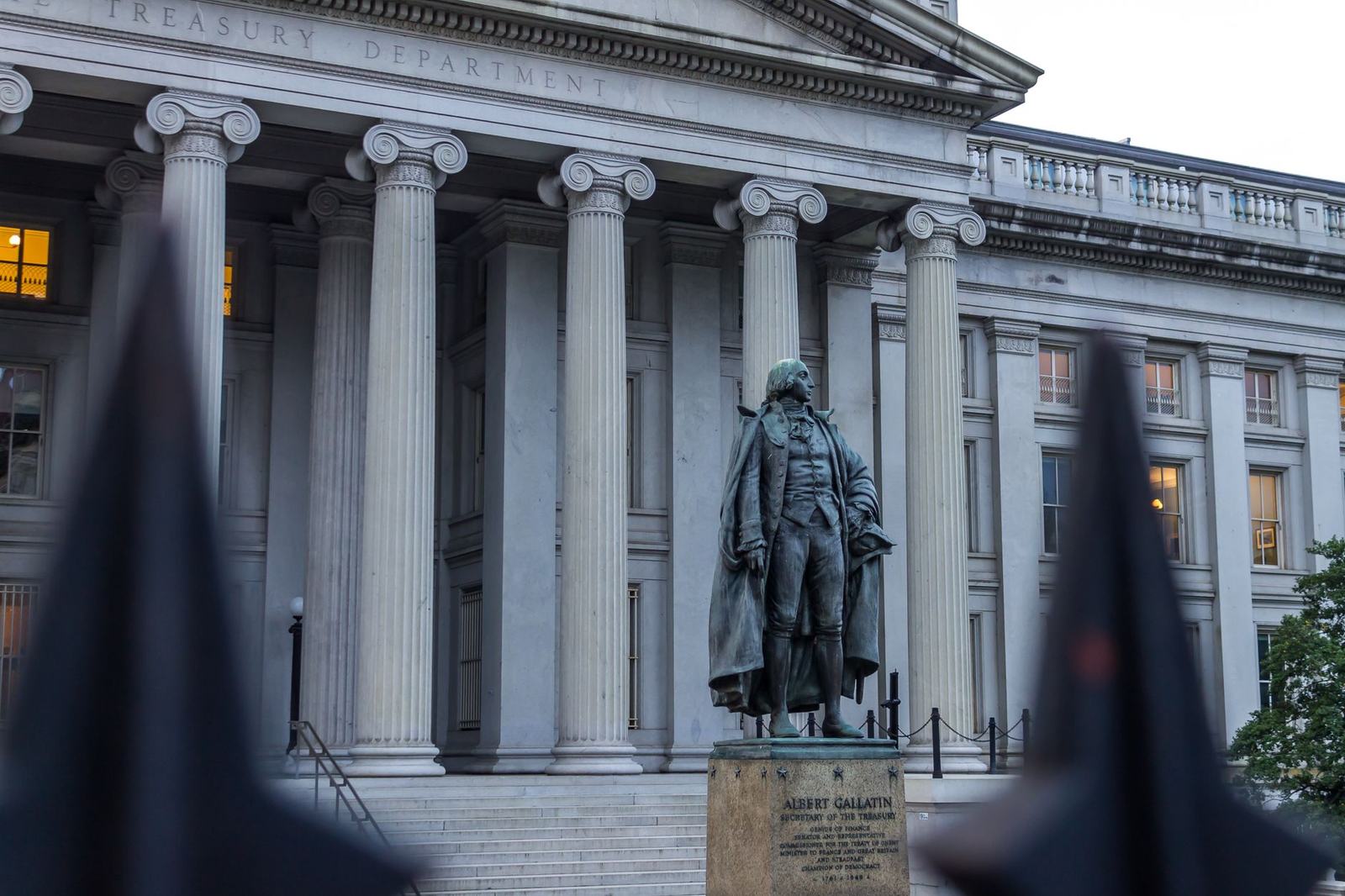
This is a proposal, and the word carries weight. A proposed rule is a government department publishing its intended wording and inviting argument about it. Firms, trade bodies, consumer groups and lawyers write in, the department reads the responses, and a final rule follows. That final version is the one that binds anyone.
Between those two stages, plenty can move. Definitions get widened or narrowed, carve-outs appear, dates slip. Nobody breaks a proposed rule, because there is nothing yet to break.
The proposal fills in detail left open by the federal stablecoin law passed in 2025, which set a framework and handed the mechanics to Treasury. The mechanics are the part that determines who can trade, and that is what has now landed in draft.
Why 2027 is the number to note
Under the proposal as reported by Decrypt, exchanges and other crypto platforms would face new restrictions on selling stablecoins to US customers from 2027. That gap is deliberate rather than generous.
Long lead times in financial rules exist because compliance is slow work. A platform has to check which tokens it lists, confirm who issued each one and under what authorisation, rebuild its onboarding to tell an American customer from a non-American one, and in some cases stop offering a product it has sold for years. Issuers, meanwhile, may need to restructure to qualify.
So the practical timeline runs backwards from 2027. Decisions about what to delist, what to keep and which licence to apply for get made well before then, and users usually find out at the end of that process rather than the start.
Legal to hold, restricted to sell
This is the distinction that gets flattened in most coverage. A distribution rule targets the seller. It says which businesses may offer a stablecoin to which customers, and it does not confiscate anything or make possession unlawful.
So a token can be perfectly legal for you to hold in a wallet you control while a regulated platform is no longer permitted to sell it to you. The two facts sit side by side without contradiction, because they describe different people doing different things.
What that means in practice is that a rule like this hits the exact point where most ordinary holders interact with crypto: the exchange account. Anyone keeping coins in a wallet whose keys they hold themselves is outside the transaction being regulated, though they still need somewhere to buy and sell. Our guide to self-custody covers what that trade-off actually involves, including the parts that are genuinely harder.
What it means from the UK
A UK holder is not the subject of this proposal. British stablecoin rules are being written separately, and the Treasury document has no authority over them.
The exposure is indirect and comes through the platform. If a global exchange concludes that the cheapest way to comply is one listing policy worldwide, the range of stablecoins available in London narrows alongside New York. If it decides to run US and non-US venues on different rules, nothing visible changes for you. Which way each firm goes is a commercial choice, and it will be made quietly.
Worth noting how fast the other direction is moving at the same time. Deel, a payroll platform handling around $22bn a year, told The Defiant its DLUSD stablecoin wallet is now live in more than 80 countries, 11 weeks after a launch confined to Argentina. Dollar tokens are spreading through ordinary payroll plumbing while the American rulebook decides who is allowed to hand them over.
What to watch
The final rule, and how far it drifts from this draft. The comment stage is where large firms make their case, and the version that binds is the only one worth reacting to.
Then the delisting notices. Platforms tend to announce what they are dropping months ahead of a deadline, and those emails will tell you more about the real effect of these rules than the rules themselves. Our policy coverage tracks the changes as they land.