
- Senators Cynthia Lummis, John Boozman and Tim Scott published what they describe as the final text of the Digital Asset Market Clarity Act on 14 September, ahead of a scheduled cloture vote.
- Their release says President Trump agreed to ethics restrictions covering federally elected officials, judges and their spouses. That account comes from the sponsors, not from the White House.
- A released draft is not a law. Cloture alone needs 60 votes, and the text has to clear the floor and the House after that.
Three Republican senators put out a new text of the Clarity Act and attached the word “final” to it. The word describes their negotiating position rather than the bill’s legal status. When the text landed, the Senate had not voted on any of it.
This is American law, and it still reaches you. US market-structure rules decide which regulator polices which , and the big exchanges tend to run one global listings policy rather than fifteen. The dollar most British holders touch are issued by firms that answer to Washington first. The UK has its own rulebook coming through the FCA, but the menu of assets available here is shaped a long way upstream.
What a “final” text actually is
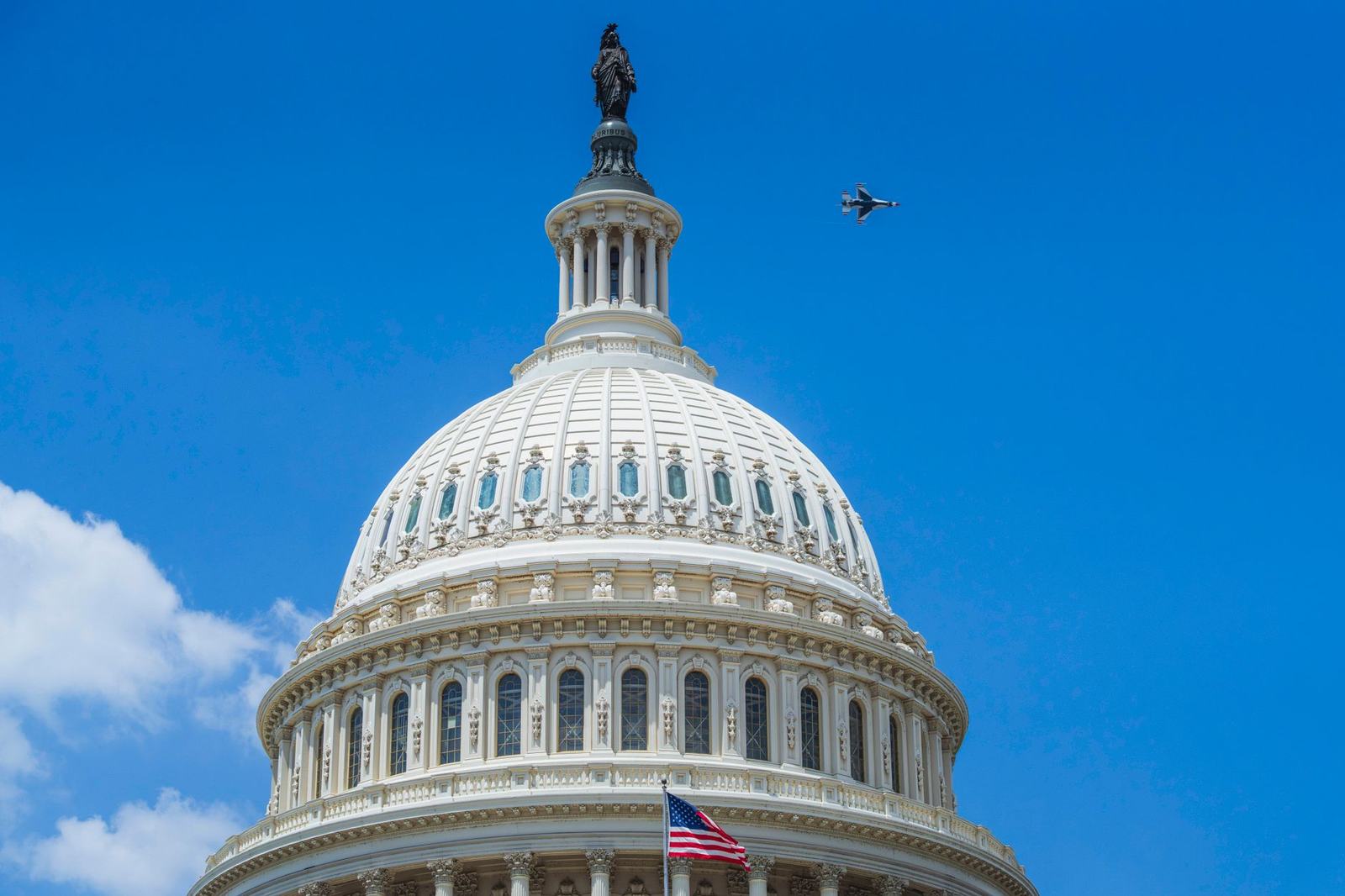
The bill carries a House number, H.R. 3633. What the three senators published is the text they would offer as an Amendment in the Nature of a Substitute, which in plain terms means replacing the existing wording with their own version. That only becomes possible if the Senate first invokes cloture on the motion to proceed, a procedural step that ends debate on whether to debate at all and requires 60 votes.
So the sequence still has several stages left in it: cloture, then floor time, then a vote, then agreement from the House on whatever the Senate changed. We wrote about the cloture stage last week, when crypto lobbying groups were buying television advertising for a vote that only opens the debate. That framing has not changed with a new draft.
The underlying bill cleared the Senate Banking Committee 15-9 in May, according to the sponsors’ release.
The ethics provisions, and who says Trump agreed
The headline change is the ethics language. The release says the new text “reflects substantially all” of the Tillis-Gallego ethics proposal, restricting crypto dealings by federally elected officials, judges and their spouses, and giving state attorneys general a role in enforcement. “Substantially all” is the sponsors’ own wording, and it is not the same as saying the proposal was adopted whole.
On the president, the release quotes Lummis directly: “President Trump voluntarily agreed to unprecedented ethics restrictions, holding every federally elected official, judge, and their spouses to some of the toughest ethics restrictions in U.S. history.”
That is a claim made by a bill’s sponsor in her own press release. The document contains no statement from Trump or from the White House confirming it. It may well be accurate, and reporting elsewhere has pointed the same way, but nobody on the other side of the alleged agreement has said so in this release. Worth holding lightly until they do.
What else is in the draft
Three other changes are worth noting. The Treasury Secretary would get new authority aimed at preventing deposit flight tied to payment stablecoins, which is the worry that money leaves bank accounts for stablecoins fast enough to cause problems for lenders. Edits to the Regulatory Certainty Act would shield software developers from having to register as money transmitters, with a civil safe harbour attached. And Agriculture Committee provisions add guardrails on affiliate trading and conflicts of interest, the sort of arrangement where an exchange trades against its own customers, while clarifying how state consumer-protection laws apply.
The precise legal effect of any of that depends on the bill text rather than the summary of it, and the summary is what the sponsors published first.
The parts only one side has confirmed
The release says the text contains 126 substantive changes made at Democrats’ request over more than a year, and appends a list of what it calls Democrat wins. That tally and that document were produced by Republicans. Senate Democrats had not said whether the changes met their demands.
Lummis also frames the vote in stark terms in the release: “A no vote on Tuesday means opposing real ethics reforms on politicians’ personal investments, handing American leadership in digital assets to our foreign competitors.” Boozman, quoted in the same document, sticks to the softer line about “clear rules of the road”.
The release lists BlackRock, Fidelity, Franklin Templeton, Goldman Sachs, Charles Schwab and SoFi as supporters, along with the National Fraternal Order of Police and the National Organization of Black Law Enforcement Executives. No quotes from any of them appear in it, so what “support” means in each case is unclear from this document alone.
What to watch
The cloture vote, and whether it happens at all. Sixty votes is the number, and it needs Democrats. If it fails or slips, the “final” label becomes an opening bid in another round rather than the end of one.
After that, watch for anything from the White House on the ethics restrictions in its own words. That single confirmation would move the most-quoted claim in this story from assertion to fact. Our ongoing coverage sits in policy, and if you are weighing up what any of this changes about buying crypto from the UK, our guide to where to buy is the practical version.