
- The Senate voted 49-50 against taking up the Digital Asset Market Clarity Act. Under the agreement in place the motion needed 60 votes, so it fell 11 short.
- No Democrat voted to proceed. The vote came a day after Republicans published what they called the bill’s final text.
- Senator Thom Tillis has filed a motion to reconsider, but both regulators have moved on without the bill: the CFTC has sent a crypto market structure prerule to the White House, and the SEC has a rule out for comment.
The number in every headline today is 49-50. It reads like a bill that was narrowly voted down. What happened in the Senate on Tuesday afternoon is that the chamber declined to start debating one, which is a different outcome with a different set of consequences.
This bill was never going to regulate you. The Clarity Act is United States law, aimed at United States firms, and the rules that govern what a British holder can buy and from whom are set by the Financial Conduct Authority on its own timetable. What reaches you from Washington is second-hand: prices, and which platforms decide the US is a workable place to operate from.
That second-hand effect is real, though. bets got on Tuesday because traders had positioned for a different result, and if you hold any of the larger you paid for that positioning whether or not you followed the vote.
What the vote actually was
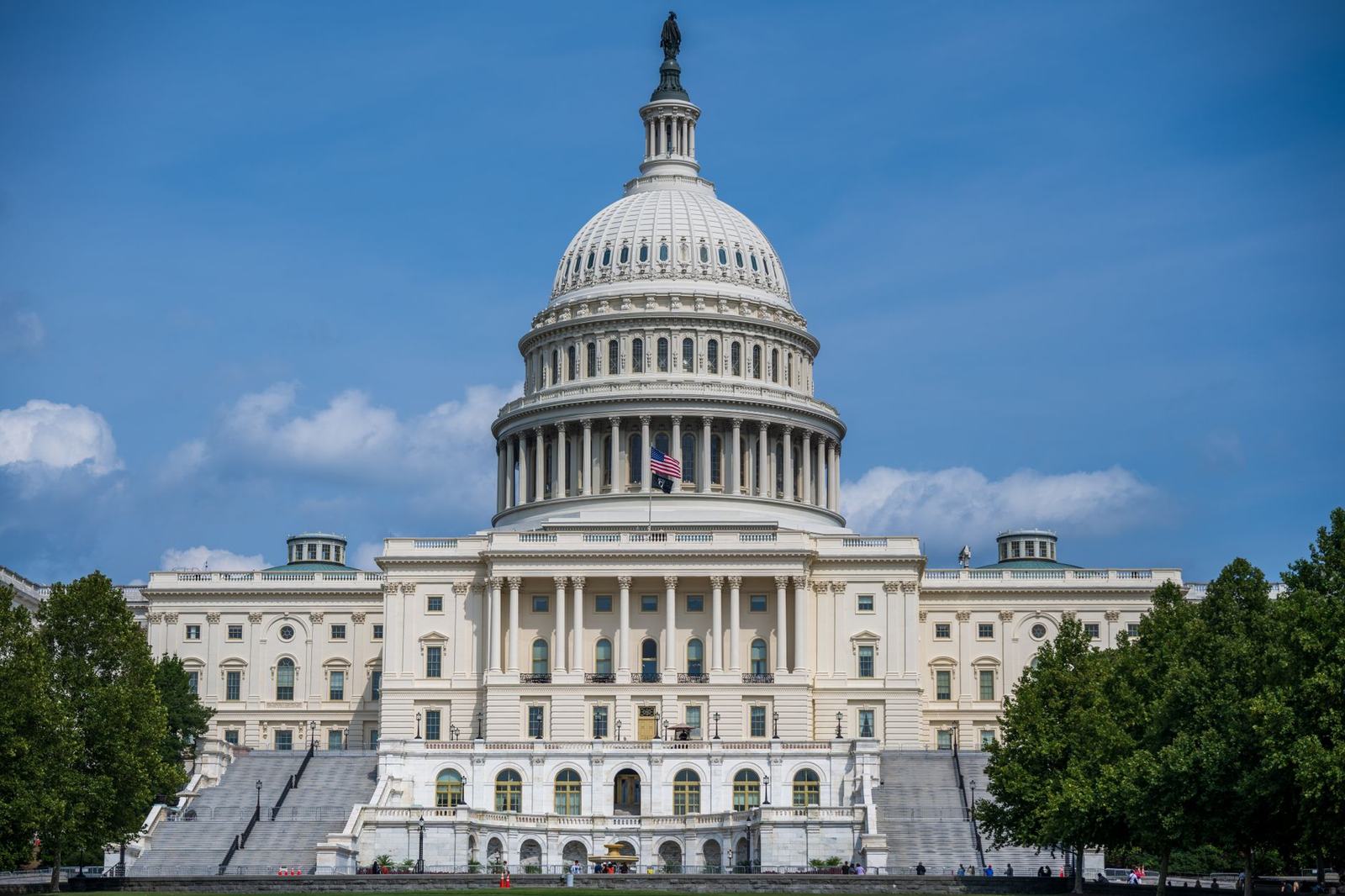
The motion at issue was cloture on the motion to proceed to H.R. 3633. Unpicking that: the Senate was not voting on whether to pass the crypto market structure bill. It was voting on whether to cut off the possibility of endless debate about whether to bring the bill to the floor in the first place. Only after clearing that hurdle would senators begin arguing about the text itself, proposing amendments, and eventually voting on passage.
By long-standing practice, and under the unanimous consent agreement governing this one, that hurdle sits at 60 votes rather than a simple majority. Fifty-nine would have failed. Forty-nine failed by more than the tally suggests.
The timing is the part worth holding onto. Republicans had released what they described as the bill’s final text only the day before, after months of redrafting that we covered in our earlier policy reporting. The vote tested whether publishing that text had moved anyone across the aisle. It had not moved a single Democrat.
We have not seen the Senate roll call itself. The 49-50 figure here comes from The Defiant’s report and matches the tally used by CoinDesk and The Block in their own coverage.
The market treated it as a defeat regardless
Whatever the procedural distinction, traders priced the outcome as a loss. CoinDesk reported roughly $570m of bullish crypto futures positions liquidated across 24 hours, with bitcoin and ether longs carrying the heaviest share, and put XRP down about 10% on the day with bitcoin sliding toward $76,000.
A liquidation is what happens when someone borrows to amplify a bet and the price moves against them far enough that the exchange closes the position automatically to protect the loan. Those forced sales then push the price further in the same direction, which is why a single piece of news can produce a much larger move than the news alone would justify.
Analysts speaking to The Block were unimpressed by the drop, describing the defeat as “nothing truly structural” and arguing that crypto will carry on moving with interest rates and the wider monetary environment rather than with any particular week in the Senate. That is independent analysis rather than a forecast we are making, and it sits awkwardly alongside the industry statements circulating on Tuesday night, which framed the result as a delay and nothing more.
Those industry statements come from people who spent heavily to get this vote held, including the television advertising campaign we wrote about before the cloture motion was scheduled. They may well be right that it is only a delay. They are also the least disinterested party in the room, and the vote gives them no evidence either way.
The regulators have stopped waiting
A day after the vote, the chairmen of the two agencies the Clarity Act would have handed the job to said they intend to do it without the statute. The SEC already has a crypto asset offering rule sitting in the Federal Register, the official journal where US agencies publish proposals before finalising them, with comments open until 20 October and two further proposals behind it. The CFTC chairman took the same line. Senator Kirsten Gillibrand, one of the Senate’s more active legislators on this subject, has also pointed at agency rulemaking rather than at what is left of this Congress.
The CFTC has since put something on paper. Decrypt reports that the agency has submitted a prerule on crypto asset transactions and markets to the White House for review, the first formal step towards a derivatives framework built on its own authority. A prerule is not a proposed rule and nothing in it is open for comment yet. It goes first to the White House office that vets agency proposals, and only once that review is finished does any text reach the public. The SEC has separately granted the -stock exemption it had been weighing.
None of that is the same thing as a rule in force. A proposal open for comment has to be read, answered and finalised, which takes months at best, and it can be challenged in court once it is. The deeper difference is durability: a law passed by Congress binds until Congress unpicks it, while a rule written by appointees can be rewritten by the next set. The industry spent two years and a great deal of money arguing for the first kind of certainty. What is on the table now is the second.
We are working from The Defiant’s report of the chairmen’s remarks and Decrypt’s report of the CFTC filing, rather than from transcripts or published agency documents. The prerule text is not public while it sits with the White House.
What is confirmed and what is not
Confirmed: the tally, the 60-vote threshold, the absence of Democratic support, and the fact that the bill never reached the floor for debate. Tillis’s motion to reconsider is a filed procedural step, which means the question can be brought back up rather than requiring the whole process to restart. Confirmed too that both regulators have stated publicly they will proceed on their own, that one SEC proposal is genuinely out for comment with a fixed deadline, that the SEC has granted its tokenised-stock exemption, and that the CFTC’s prerule has been filed for White House review.
Not confirmed: anything about what happens next in either venue. Nobody has said publicly which Democrats might be persuadable, on what terms, or whether floor time exists for another attempt before the legislative calendar runs out. On the agency side, neither the content of the two further SEC proposals nor any timetable for finalising the first has been made public, and the CFTC’s prerule is unpublished while it is under review, so nobody outside the agency knows what it would cover or when it will surface. A motion to reconsider is a door left unlocked, not an appointment, and a prerule sent upstairs is the start of a process rather than the end of one.
What to watch
The 20 October comment deadline is still the nearest fixed date, and the two further SEC proposals behind it will show how much of the Clarity Act’s territory the agencies think they can cover on their own. The CFTC’s prerule is the other half of that, and the thing to watch there is when the text emerges from White House review and how far it reaches: a narrow framework for listed derivatives is a much smaller answer than the market structure bill would have been.
The Senate question has not gone away, but it has moved down the list. Eleven votes is not a margin that closes through goodwill, so a second attempt still needs either a substantially different text or a negotiated concession, and a Democratic senator publicly shifting position would be the first visible sign of one. That looks less likely now the regulators have started filing rather than talking.
For UK readers there is a separate and slower thing to track: the FCA’s own cryptoasset regime, which is running to its own timetable and is what will actually determine what you can buy here. Nothing that happened in Washington this week changes that timetable by a day.