
- holding nearly 29% of Solana’s stake stopped voting for part of 12 August. The kept producing blocks, but slots were skipped, throughput fell and transactions took longer to settle.
- The cause was a stale default route on a single edge router in Miami belonging to Teraswitch, which the Solana Foundation describes as the network’s largest infrastructure provider. Twelve data centres in Europe and Asia-Pacific lost connectivity.
- The incident happened on 12 August. The Foundation’s account of it was published on 14 September.
Solana didn’t go down on 12 August. It went slow, and it went slow because a single router in Miami was still carrying a setting nobody had cleared out. The account explaining why landed on 14 September, a month after the day itself.
Nothing here put anyone’s coins at risk. A balance sitting on Solana was exactly as safe at the worst moment of that day as it was the morning before. What degrades in a failure like this is the part you actually notice: a transaction sent during the window could sit unconfirmed for longer than usual, and for anyone using a fast chain to move money, the gap between submitted and settled is the entire product.
The second half is the timing. Something that visibly slowed a major network in August got its explanation in the middle of September. If you were trying to work out at the time whether the problem was your wallet, your app or the chain, you had no way of knowing.
One caveat before the detail. We haven’t read the Solana Foundation’s write-up or the Teraswitch postmortem directly. Everything below comes from CryptoSlate’s account of both documents, and where a figure or a sequence appears only there, we’ve flagged it.
Producing blocks and confirming them are two different jobs
This is the bit the reporting assumes you already know, and it’s why the network could lose nearly a third of its voting weight and still look alive.
Solana runs on a rota. Each validator, the computers that actually run the network, gets scheduled turns called leader slots, and in its turn it produces the blocks that record everyone’s transactions. That’s the first job. The second is voting: validators vote on the blocks other validators produce, and those votes are what turn a block from published into agreed.
Votes aren’t counted one per machine. They’re weighted by stake, the amount of SOL locked behind each validator, most of it delegated by ordinary holders who never run anything themselves. So when a report says 29% of stake stopped voting, it means validators carrying 29% of the network’s decision-making weight went quiet, not 29% of the machines.
A chain in that state keeps churning. Blocks still get made by whoever is still online, which is why the network never technically halted. What it loses is confirmation, and confirmation is what makes a transaction final rather than merely written down.
Why 29% was closer to the line than it sounds
Solana treats a block as finalised once validators representing more than two-thirds of stake have voted for it. Turn that around and the threshold that matters is a third. If more than 33% of stake goes offline, the remainder can no longer reach a supermajority, and finality stops: transactions keep being recorded, but nothing gets settled irreversibly until enough stake comes back.
Nearly 29% went quiet. That leaves roughly four percentage points of headroom between a degraded network and one that has stopped agreeing with itself. The independent monitoring cited in the account found more leader slots skipped, transaction throughput down sharply and finality delayed, which is what the near miss looked like from the outside.
It’s worth comparing with the Cosmos halt we covered earlier this year, where the chain stopped producing blocks outright and Ledger users couldn’t even see their balances. That is what the other side of the threshold feels like. Solana’s 12 August was a wobble. The distance between the two is four points of stake.
A stale route, and twelve data centres
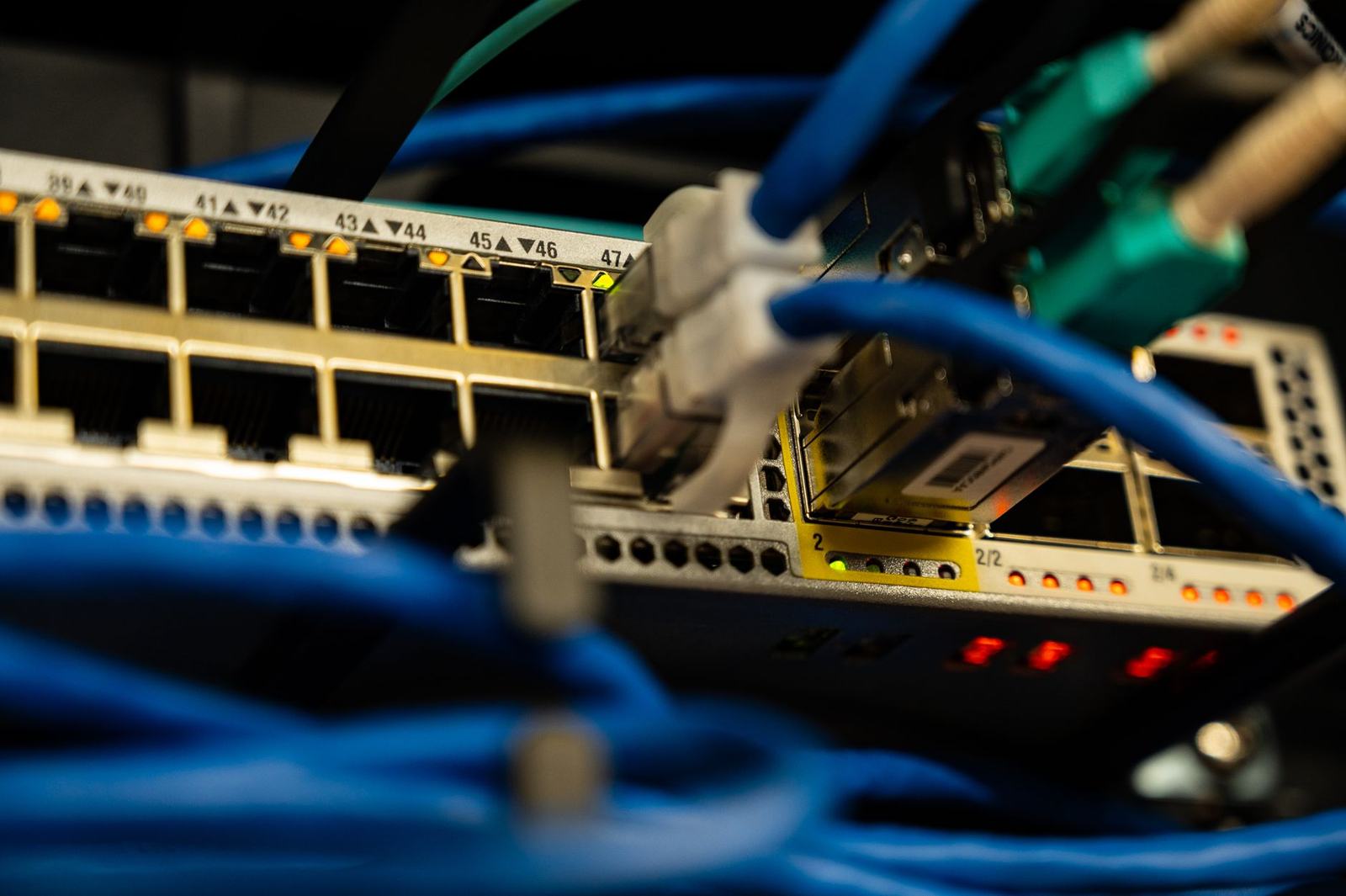
The failure didn’t start at Solana at all. It started at Teraswitch, an infrastructure provider that the Foundation called Solana’s “largest”, a description that does more work than any other line in the account.
According to Teraswitch’s own postmortem, a default route had been left sitting on an edge router in Miami. Routine maintenance by a transit provider activated it, and transposed values in a routing policy attached a “no-export” instruction aimed at Europe and Asia-Pacific. The bad route then propagated across Teraswitch’s own network and stopped affected data centres reaching the internet through healthy local routers that were working perfectly well.
Twelve sites across Europe and Asia-Pacific lost both internet access and connectivity to each other, including machines hosting Solana validators and RPC nodes, the servers that wallets and apps query to read the chain. Teraswitch’s provider traffic recovered 33 minutes after the first alarm.
What the account doesn’t answer
Two questions, and neither is addressed in what’s been published.
The first is how a single provider ended up in front of that much stake. Validator hosting is a commercial decision made by hundreds of independent operators, and they converged on one supplier without anyone choosing that outcome. The second is whether that has changed since August. A month-old postmortem tells you what broke. It doesn’t tell you whether the same 29% is still sitting behind the same equipment today.
There’s also no named person on the record in either document as relayed, which for a disclosure about the largest infrastructure dependency on a top-five network is a thin result.
What to watch
Whether Solana or its larger staking operators publish anything about concentration, specifically how stake is distributed across hosting providers and whether that distribution has moved since August. That number, if it ever appears, is the one that says whether this is fixed.
And watch the disclosure lag on the next incident. A month between a visible slowdown and an explanation is the kind of thing that only looks acceptable until it happens on a day when the four points of headroom aren’t there. More on infrastructure stories in our technology section.