
- MARA sold 13,597 bitcoin over six weeks for about $1.1bn, and says further sales are planned.
- The proceeds repaid every loan the company had secured against its own coins.
- Its $634m third-quarter profit came largely from accounting gains on coins it still held rather than cash through the door. We have not seen MARA’s own filing on the sale; the figures reach us through CoinDesk.
MARA, one of the largest listed bitcoin in the world, has sold 13,597 coins over six weeks for roughly $1.1bn. The money went on clearing every loan the company had taken out against its own bitcoin, and management says more selling is to come.
Miners are the only large holders who have no real choice about selling. They have electricity bills in dollars and revenue in bitcoin, and when the price falls the gap has to be closed from somewhere. A company that spent two years telling investors it would hold its coins is now using them as a cash reserve, which says more about the cost of running a mining business right now than it does about anyone’s conviction.
For a holder, the sale itself is not large enough to move the market. What it changes is the picture of who is buying and who is quietly on the other side of the trade.
What the money actually went on
A bitcoin-backed loan is exactly what it sounds like. The company borrows cash and pledges coins as security. If the price of those coins drops far enough, the lender can ask for more collateral or for the loan to be repaid early, and the borrower has to find bitcoin or dollars at the worst possible moment.
With bitcoin trading below $75,000 in recent sessions, that arrangement stops being cheap financing and starts being a standing risk. Selling the coins and retiring the debt removes it. MARA is now, on its own account, free of borrowing secured against its holdings.
The company has also said the bitcoin it still holds can be used to fund its build-out of AI datacentres. That is a statement of intent rather than a completed transaction, and it is worth reading as one: it signals that the remaining stack is being treated as working capital.
A profit made of paper
The sale lands oddly next to the company’s third-quarter results, which showed a profit of around $634m. Most of that came from revaluing bitcoin it already owned.
Under current accounting rules, companies mark their crypto holdings to market each quarter, so a rising price shows up as profit even though nothing has been sold and no money has arrived. A falling price works the same way in reverse. It is a genuine measure of what the coins were worth on the day, and it is not cash available to pay an electricity bill.
Which is roughly why the two stories sit together. A headline profit of $634m and a $1.1bn disposal to clear debt are not contradictory. They are the same balance sheet described in two different currencies.
Mining more, earning less
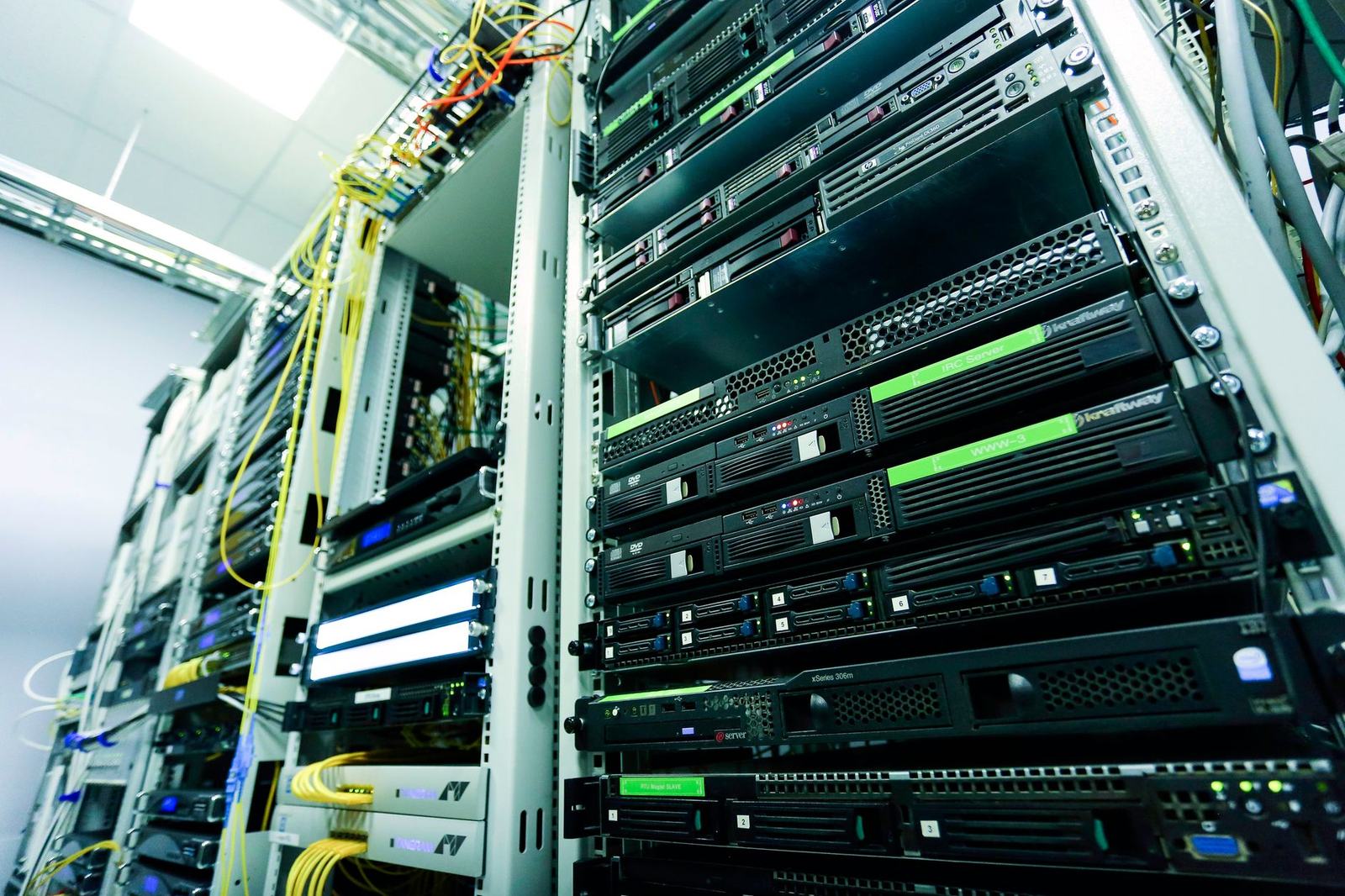
MARA is not alone in the squeeze. Cointelegraph reported that both MARA and HIVE produced more bitcoin last quarter while taking in less mining revenue, with electricity costs rising at the same time. Both have been pushing into AI and high-performance computing, renting out datacentre capacity to customers who pay in dollars.
That shift is the context for the sale. The economics of mining alone are tightening, the pivot to AI infrastructure is expensive, and bitcoin on the balance sheet is the most liquid thing these companies own.
What it does, and does not do, to the price
Spread across six weeks, $1.1bn of selling is modest against daily spot and derivatives volumes. Nobody can point at this disposal and explain the autumn’s weakness with it.
The signal is slower than that. If a handful of the largest miners move from accumulating to funding themselves out of reserves, a source of persistent buying that the market had got used to becomes a source of persistent supply. That matters over months, not days, and it only matters if it continues. Our wider markets coverage follows the same question from the demand side, where flows and the AI-driven risk selloff have been doing most of the work.
What to watch
Miners publish monthly production updates that include how many coins they hold. If MARA’s balance keeps falling through those updates, the company meant what it said about further sales. If it flattens out, the debt repayment was a one-off clean-up.
The other thing worth watching is whether the AI datacentre work starts appearing as revenue rather than spending. That is the test of whether selling bitcoin bought a new business or just bought time.