
- HANetf has listed exchange-traded products in London, Frankfurt and Paris giving bitcoin exposure hedged into sterling and euros, according to CoinDesk.
- These are ETCs and ETNs, which are debt securities, not US-style spot . The difference changes who you are relying on.
- A currency hedge removes dollar movement from your return in both directions, and it is never free.
Buy bitcoin from a British account and you are making two bets at the same time, whether you meant to or not. One on bitcoin. One on the dollar against the pound. A set of new European listings is built to remove the second bet and leave the first one alone.
Most UK holders have never separated those two things, because nothing on a normal exchange screen invites you to. In a year when bitcoin barely moves and the pound swings four or five percent against the dollar, the currency is doing most of the work in your account, up or down. These products let you take that part out. Taking it out has a price, and it removes the good version of the surprise as well as the bad one.
What was listed, and what we could not check
HANetf, a London-based platform that issues exchange-traded products for third-party managers, has listed bitcoin products offering sterling and euro-hedged exposure on the London, Frankfurt and Paris exchanges. That is as reported by CoinDesk.
We could not find the issuer’s own announcement, so everything specific here comes from CoinDesk’s write-up rather than from product documentation, and no one is quoted on the record in the material available to us. Tickers, fee levels and the exact hedging mechanism should be treated as unconfirmed until you read the factsheet and prospectus for the particular line you are looking at. That caution is not a criticism of the reporting. It is simply where the evidence currently stops.
ETC, ETN, ETF: three sets of letters, two different things
Start with the American version, because it is the one most readers have seen in headlines. A US spot bitcoin ETF is a fund. It holds bitcoin, issues shares, and your share is a slice of the pot.
Europe mostly cannot do that. The UCITS rules that govern ordinary European funds require diversification, and a product holding one asset and nothing else does not qualify. So European issuers use a different wrapper: an exchange-traded note or exchange-traded commodity. Despite the name, an ETC in this context holds no commodity in the farming sense. It is a debt security issued by a special-purpose company, listed on an exchange, and bought and sold exactly like a share.
In practice, reputable issuers back these notes one-for-one with bitcoin held at a custodian, and the note is secured against that holding. The structure is generally sound. What changes is the list of things standing between you and the coins: an issuing entity, a custodian, a trustee, and the legal paperwork that connects them. With a US ETF you are a fund shareholder. With an ETN you are a creditor of a structure that owns the asset on your behalf.
Either way, you do not hold the keys and you cannot move the coins. That is the trade people accept in exchange for buying through an ordinary brokerage account, and it is the opposite end of the spectrum from holding bitcoin yourself.
What a currency hedge actually does
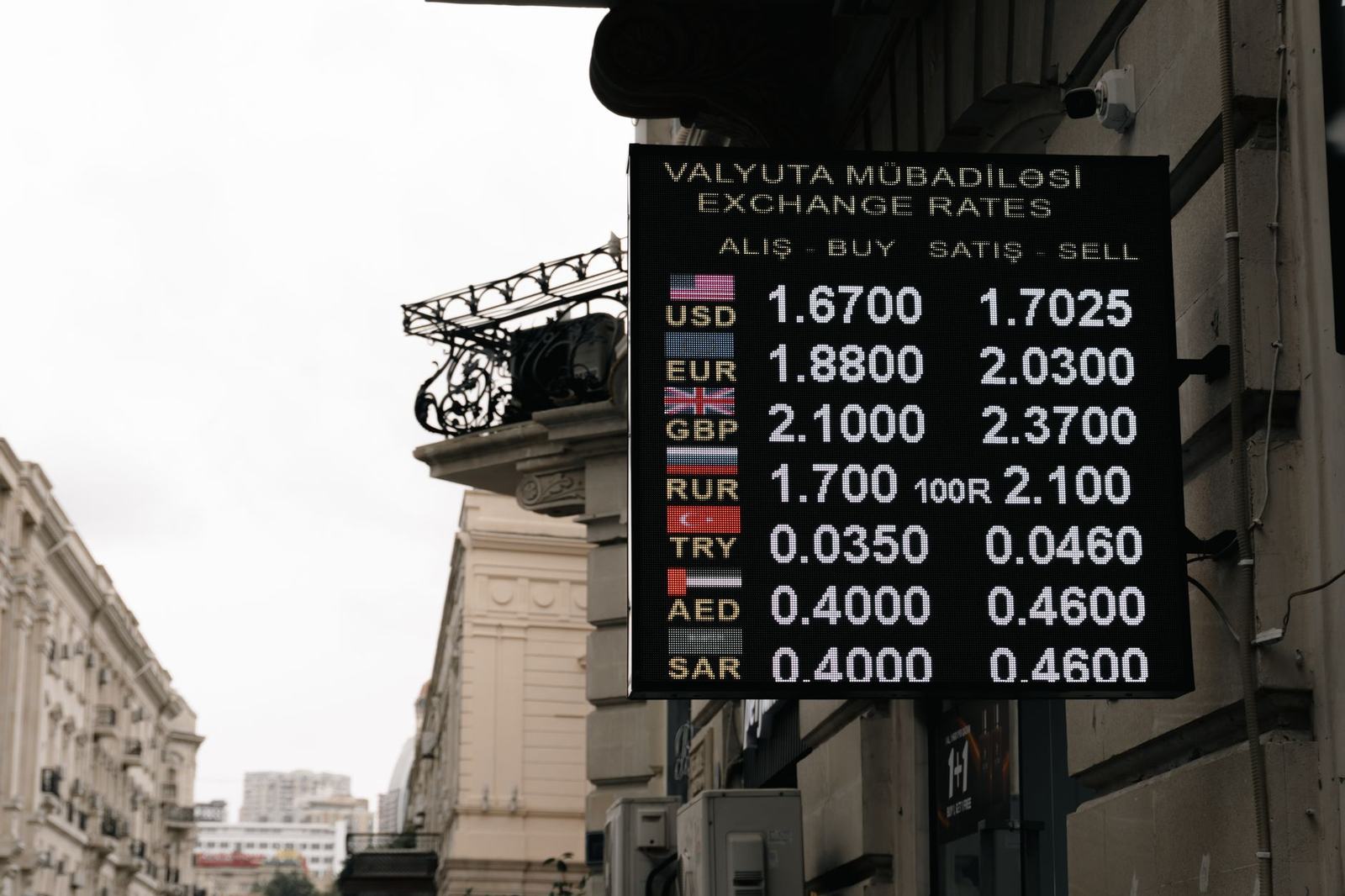
Bitcoin is quoted in dollars. When a UK investor buys an unhedged bitcoin product, their return is the bitcoin move and the currency move multiplied together.
Work it through with round numbers. Bitcoin rises 10% in dollar terms over a month. If the pound strengthens 5% against the dollar in the same period, your sterling return lands somewhere near 5%, because the dollars your bitcoin is worth now convert into fewer pounds. If instead the pound weakens 5%, your sterling return is roughly 15%. Same bitcoin, same month, ten percentage points apart.
A hedged product uses currency forward contracts to cancel that effect. In both of those scenarios the hedged holder gets something close to 10%, minus costs. The hedge does not make bitcoin safer and it does not change what bitcoin is worth. It changes which of the two bets you are exposed to.
And it cuts both ways, which is the part that gets skipped. A sterling investor who held unhedged bitcoin through a period of pound weakness was paid for it. Hedging gives that up deliberately, in exchange for not being punished when the pound runs the other way.
Hedging costs money
Three separate costs sit inside a hedged product, and only one of them usually appears in the marketing.
The first is the hedge itself. Forward contracts are priced off the interest rate gap between the two currencies, rolled every month or so. If sterling rates sit below dollar rates, hedging into sterling drags on returns; if they sit above, it can add a little. That differential moves with central bank policy, so the cost is not fixed and nobody can quote you a number that holds for a year.
The second is the ongoing charge. Hedged versions of an exchange-traded product almost always carry a slightly higher annual fee than the unhedged version, because somebody has to run the hedging programme.
The third is the one that specifically bites on a volatile asset. The hedge is sized at the start of each period against the value of the holding at that moment. If bitcoin then rises 30% before the next roll, the gain sitting on top of the hedged amount is unhedged in the meantime. On a government bond fund that mismatch is a rounding error. On bitcoin it is not, and it shows up as tracking difference rather than as a fee.
Why UK retail investors could not buy these until recently
This listing lands in a market that only just opened. The FCA banned the sale of crypto exchange-traded notes to retail investors in January 2021, restricting them to professionals, and kept that ban in place for nearly five years. It was lifted in October 2025 for crypto ETNs listed on UK recognised investment exchanges, which is why London listings aimed at ordinary investors are a 2026 phenomenon rather than a 2021 one.
Lifting the ban did not come with a safety net. Crypto ETNs are not covered by the Financial Services Compensation Scheme, and the FCA’s own language on the point has not softened: consumers should be prepared to lose all their money. The regulator permitted access. It did not endorse the asset.
Two practical UK points follow. Held in a general investment account, these are ordinary investments for tax purposes, so disposals fall under capital gains rules rather than anything crypto-specific, and the tax treatment is worth understanding before you buy rather than in January. Separately, the government has said crypto ETNs would become eligible for stocks and shares ISAs, but whether a specific listing qualifies and whether a given platform supports it are questions for the platform, not something to assume from a product page.
The questions the announcement leaves open
Three things decide whether a hedged product is worth owning, and none of them was in the coverage we read.
The ongoing charge on the hedged line against the unhedged one, because the gap between them is the standing price of removing the currency. How often the hedge is rolled, since a monthly roll on an asset this volatile leaves more drift than a weekly one. And the published tracking difference once the products have a few months of history, which is the only honest measure of whether the hedge has done what it claims.
What to watch
Whether UK retail platforms actually carry the hedged lines. A London listing and availability on the platform you already use are different things, and brokers have been uneven about which crypto ETNs they offer since the rules changed.
Then watch what happens in a flat quarter. CryptoSlate reports bitcoin gained roughly 43% in the third quarter of 2026, and against a move that size a few percent of currency drift is noise most people never notice. In a quarter where bitcoin goes nowhere, the pound becomes the main thing moving the number in your account, and that is when hedged versions either prove their point or quietly fail to.