
- Cosmos Hub stopped producing blocks on 8 September. Infrastructure provider QuickNode says its own nodes were back at the chain tip the following day.
- Ledger’s status page still lists Cosmos (ATOM) as a major outage: no balances, no transaction history and no sending through Ledger Wallet.
- The last update on the incident was posted on 10 September. Ledger has published no cause and no restoration estimate.
The Cosmos network stopped producing blocks on 8 September and was running again the next day, according to one of the infrastructure firms that watches it. Ledger’s wallet software did not come back with it. Days later, people holding ATOM on a Ledger device still could not see a balance or send a transaction through the app.
Two separate things broke here and the coverage has been blurring them into one. Your ATOM has not gone anywhere: it sits on the , and your still controls it. What has stopped working is the software that reads that information and passes your instructions on. That is genuinely inconvenient if you wanted to move or stake anything this week. It is not the same as losing access.
The part Ledger hasn’t explained is why, or for how long.
The chain stopped, then started again
Cosmos Hub is the main chain of the Cosmos network, and it runs differently from bitcoin. Blocks are produced by a fixed set of , computers run by staking operators, and a supermajority of them has to agree on each block before it counts. That design gives fast, final settlement. It also means the chain can stop outright. If enough validators hit the same bug at the same moment, nothing gets produced at all, where bitcoin keeps going as long as somebody somewhere is .
QuickNode, which runs blockchain nodes that other companies’ apps connect to, reported that Cosmos Mainnet stalled at block 32,878,318 at 18:12 UTC on 8 September, that its nodes were back at the chain tip by 14:26 UTC the next day, and that it closed its own incident at 00:24 UTC on 12 September. We have not independently checked those timestamps against QuickNode’s incident history, and a provider closing its own ticket describes the state of that provider’s machines rather than an audit of the whole network.
CryptoSlate also reported a Cosmos Hub RPC endpoint sitting above block 32.9 million on 12 September while a node reported it was not catching up, leaving that node tens of thousands of blocks behind. That is one node’s telemetry at one moment, and it should not be read as evidence the network as a whole was still stalled.
What Ledger’s status page actually says
Ledger opened its incident at 19:41 CEST on 8 September, within a couple of hours of the stall. The first update read: “We are experiencing technical issues with the Cosmos Mainnet within Ledger Wallet. This may impact your ability to send transactions, add accounts and view your balances or transaction history.”
The second, and so far last, went up at 16:12 CEST on 10 September: “Our team is continuing to work on restoring Cosmos (ATOM) Mainnet service. Balances, transaction history, and transactions for Cosmos (ATOM) remain unavailable in Ledger Wallet in the meantime.”
That is the whole log. The component list still shows Cosmos (ATOM) under Ledger Explorers as a major outage, while Ledger Wallet overall is marked operational, which tells you where the fault sits. Ledger Explorers is the service that indexes each chain so the app can display an account and broadcast a signed transaction. The hardware device itself is doing its job, holding keys and signing. The lookup and delivery layer in between is not.
“Continuing to work on restoring” is an open-ended status rather than a commitment to a date, and nothing on the page names a cause. For a company whose whole proposition is that you should not have to depend on anyone else’s servers, going several days without saying what went wrong is a thin showing.
What a holder can and can’t do
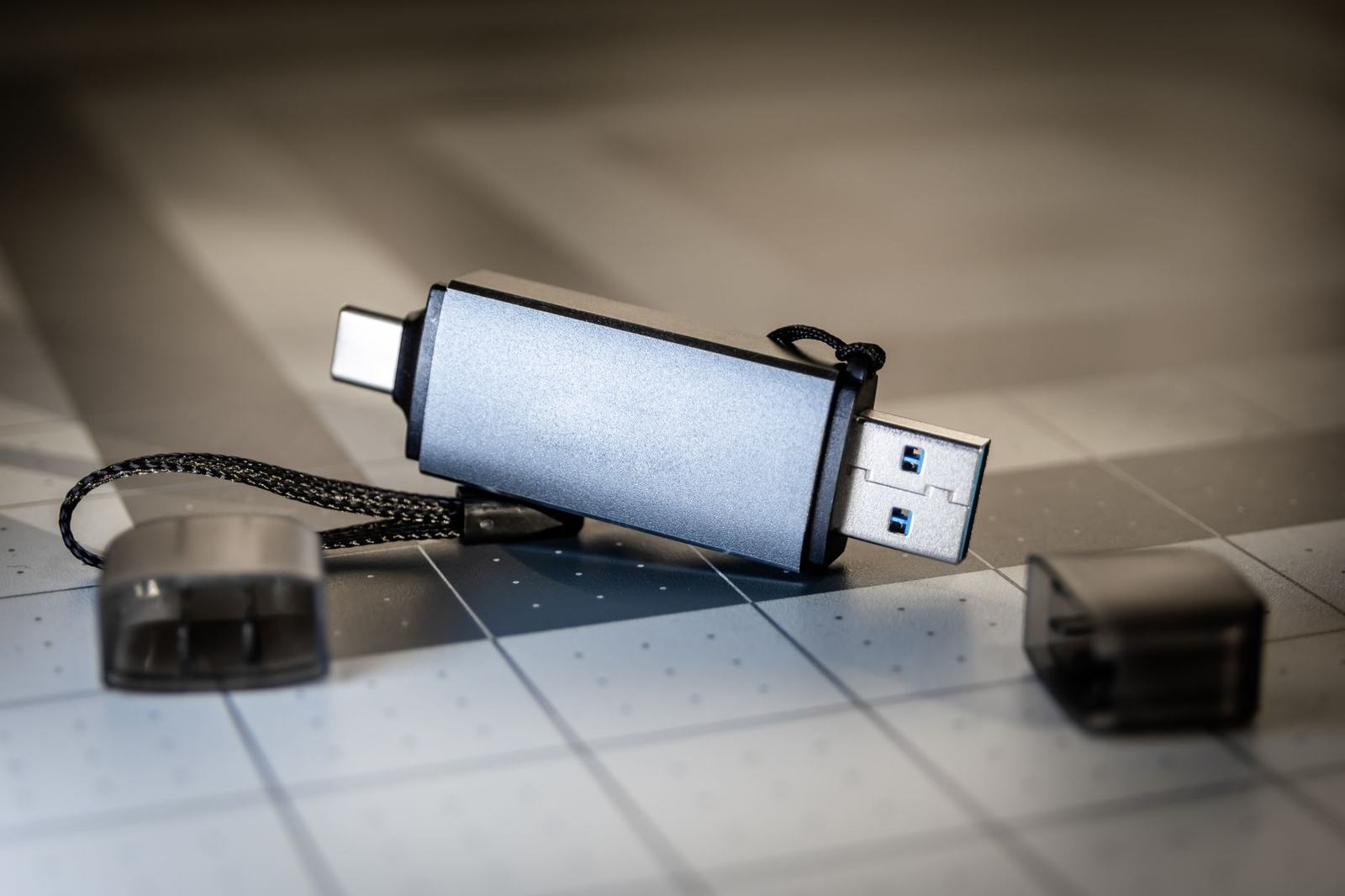
While the outage lasts, the Ledger app is not a reliable view of anything Cosmos-related. A balance that shows as zero, or does not show at all, is a reporting failure rather than a missing balance, and a block explorer will confirm the account is intact if you know your address.
Cosmos wallets such as Keplr have supported Ledger devices for years, which is the usual route people take when one interface stops working: the device stays plugged in and signs, a different piece of software does the looking up. What nobody should do is type a 24-word recovery phrase into a computer or a website to speed things along. That phrase is the whole account, and the scams that follow an outage are built precisely around people who are anxious to see their balance again. Our guide to self-custody covers the difference between a signing device and the software around it, and there is more on the trade-offs in our Trezor vs Ledger comparison.
What to watch
Whether Ledger posts anything at all. A third update naming a cause would tell you whether this was a knock-on from the halt or a problem in Ledger’s own indexing that the halt merely exposed. Silence past a week on a component marked major outage is its own answer.
Beyond that, whether other Cosmos wallets report the same trouble. If they do not, the chain restart is not the story here.