
- Hawaii’s ban on crypto ATMs and kiosks takes effect on 1 October, making it the fourth US state to prohibit them outright.
- Minnesota, Tennessee and Indiana have already done the same. Other states have gone for daily limits and refund windows instead.
- In the UK the machines have been treated as illegal since 2022, so any one still operating here is unregistered by definition.
A crypto ATM looks like a cash machine and works in reverse. You feed notes in, and cryptocurrency comes out into a wallet on your phone. From 1 October, that will no longer be legal anywhere in Hawaii.
The machines matter because of what they are used for. Fraudsters who phone people up pretending to be the police, the tax office or a bank need a way to get cash out of the country fast, and these kiosks do that in minutes with no bank sitting in the middle to ask questions.
If you are in the UK, the more useful part is this: crypto ATMs have never been legal here. Any machine you come across in a shop or a shopping centre is operating outside the rules, whatever the sticker on the front says.
How the scam actually runs
The pattern is consistent enough that police forces on both sides of the Atlantic describe it in almost identical terms.
Someone rings, usually claiming to be from a bank’s fraud team, a government agency or a utility company. There is an urgent problem, and the only way to fix it is to move money immediately. The caller stays on the line, tells the person not to discuss it with anyone, and directs them to a specific machine, often reading out the address.
Cash goes in. The crypto goes to a wallet the caller controls. Because transactions settle on their own terms and cannot be reversed by anyone, there is nothing to recall afterwards. A bank transfer can sometimes be stopped. This cannot.
Why cash-in is the step that matters
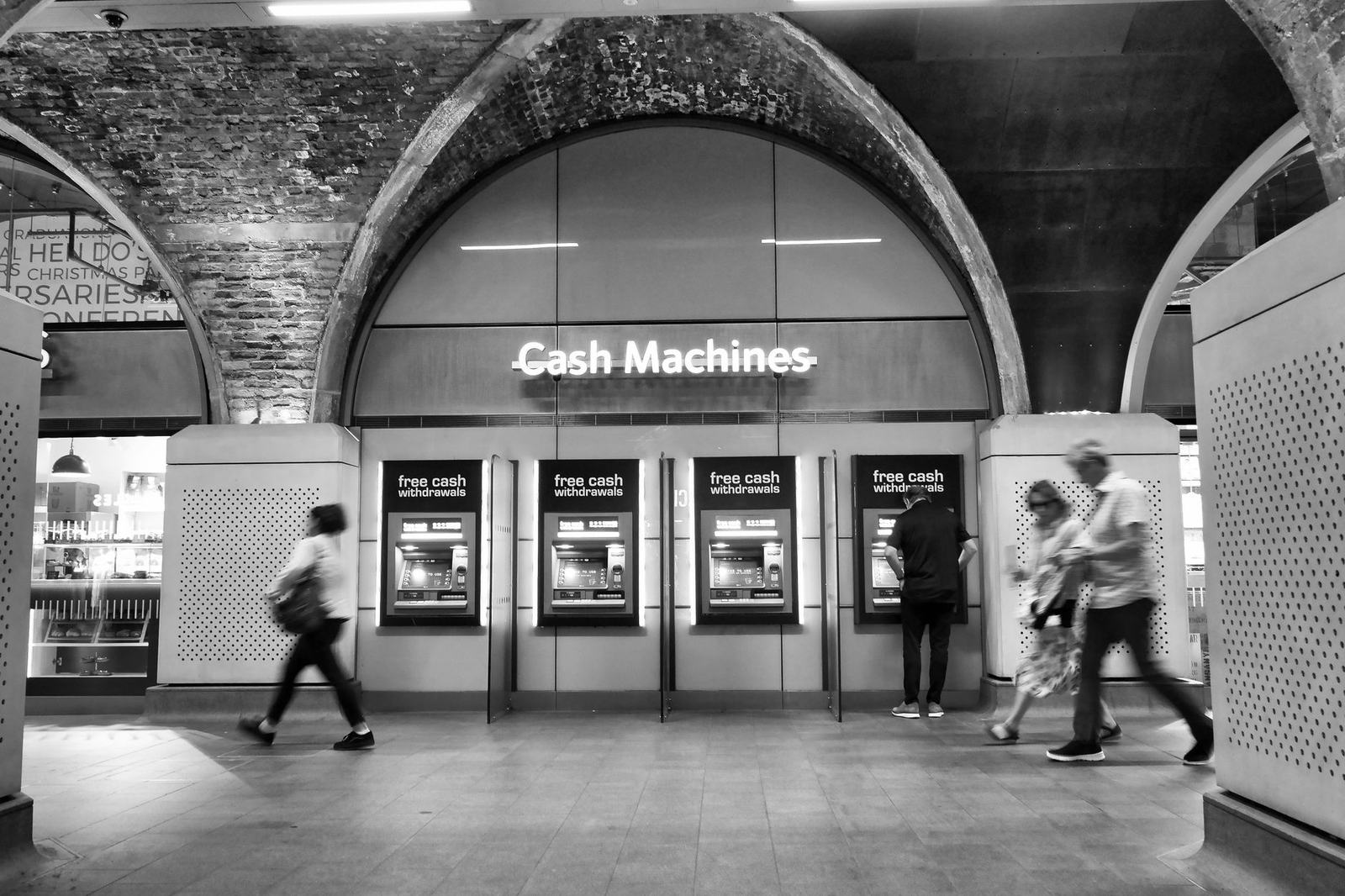
Not all these kiosks work the same way, and the distinction explains why regulators go after some and not others.
A two-way machine takes cash and sends crypto. That is the step fraudsters need, because it turns physical notes into something that leaves the country instantly and can’t be clawed back. A one-way, sell-only machine does the opposite: it takes crypto and dispenses cash. That is far less useful to someone running a phone scam, because the victim has to already hold crypto and the payout is capped by whatever notes are in the tray.
Some of the state rules being written in the US reflect that, targeting the cash-in direction specifically. Hawaii’s approach is broader, covering the machines as a category.
The other route: limits and refunds
Banning the machines is one option. Several US states have tried a middle path instead, and Arizona’s version is the one worth understanding.
There, operators face daily transaction caps for new customers and a refund window: someone who reports a fraudulent transaction within a set period can get their money back in full, including fees, provided the report comes quickly enough and the operator is notified.
In practice that shifts the loss from the customer onto the kiosk operator, which gives the operator a reason to check unusual transactions rather than process them. The catch is the clock. The windows are short, measured in days, and phone scams are built to keep people quiet for exactly that long. A refund right nobody knows about until week three is not much of a refund right.
Where the UK stands
Britain skipped the debate entirely. The Financial Conduct Authority has required crypto ATM operators to be registered under money laundering rules for years, has never approved a single one, and in 2022 told all of them to shut down. Since then it has run operations with police to switch off machines that kept going anyway.
So the position here is simpler than in the US. There is no such thing as a legal, compliant crypto ATM in the UK. If a machine is running, it is running illegally, and there is no regulated firm behind it to complain to.
If someone contacts you out of the blue and directs you to a machine like this, the number to call in the UK is Action Fraud on 0300 123 2040, or 101 for the police if you think a crime is in progress. Banks with a 159 line will connect you directly to their fraud team, and no genuine caller from a bank or government body will ever ask for cash to be paid into a crypto machine.
What to watch
Whether the count of states with full bans keeps climbing, or whether the limits-and-refunds model becomes the standard instead. Those are two quite different regulatory instincts, and the next few state legislatures will settle which one wins.
Also worth watching: what happens to the machines themselves. Operators in banned states have to move or decommission them, and the pattern in other jurisdictions has been relocation rather than closure. A ban in one state does not remove the kiosks from the map. It moves them.