
- The Cedar Innovation Foundation, a nonprofit linked to the Fairshake super PAC network, is running a seven-figure cable ad campaign backing the CLARITY Act.
- The Senate had been expected to vote on 15 September on cloture on a motion to proceed, a procedural step needing 60 votes that would only open debate. CoinDesk now reports that vote may be delayed, dropped, or resurface in another form.
- Senate Republicans have circulated revised bill text, rewriting the provisions to target “non-decentralized” operators and changing the credit union provisions, while leaving the contested ethics section largely as it was.
A seven-figure advertising campaign is running on American cable television this week to support a bill the Senate is not actually voting on, and may not vote on at all. The date pencilled in for 15 September would only have decided whether senators are permitted to start debating it.
Almost every large platform a UK holder uses answers to American rules, whether or not it has a UK entity. Which regulator polices which in the US shapes what those platforms are willing to list, what they let retail customers touch, and how quickly a product gets pulled. A market-structure law in Washington reaches your account screen long before it reaches anyone’s tax return.
It also cuts the other way. Years of unresolved US jurisdiction is part of why some tokens vanished from UK-accessible venues with little notice. Rules that stay unsettled are not neutral for you.
What the vote actually decides
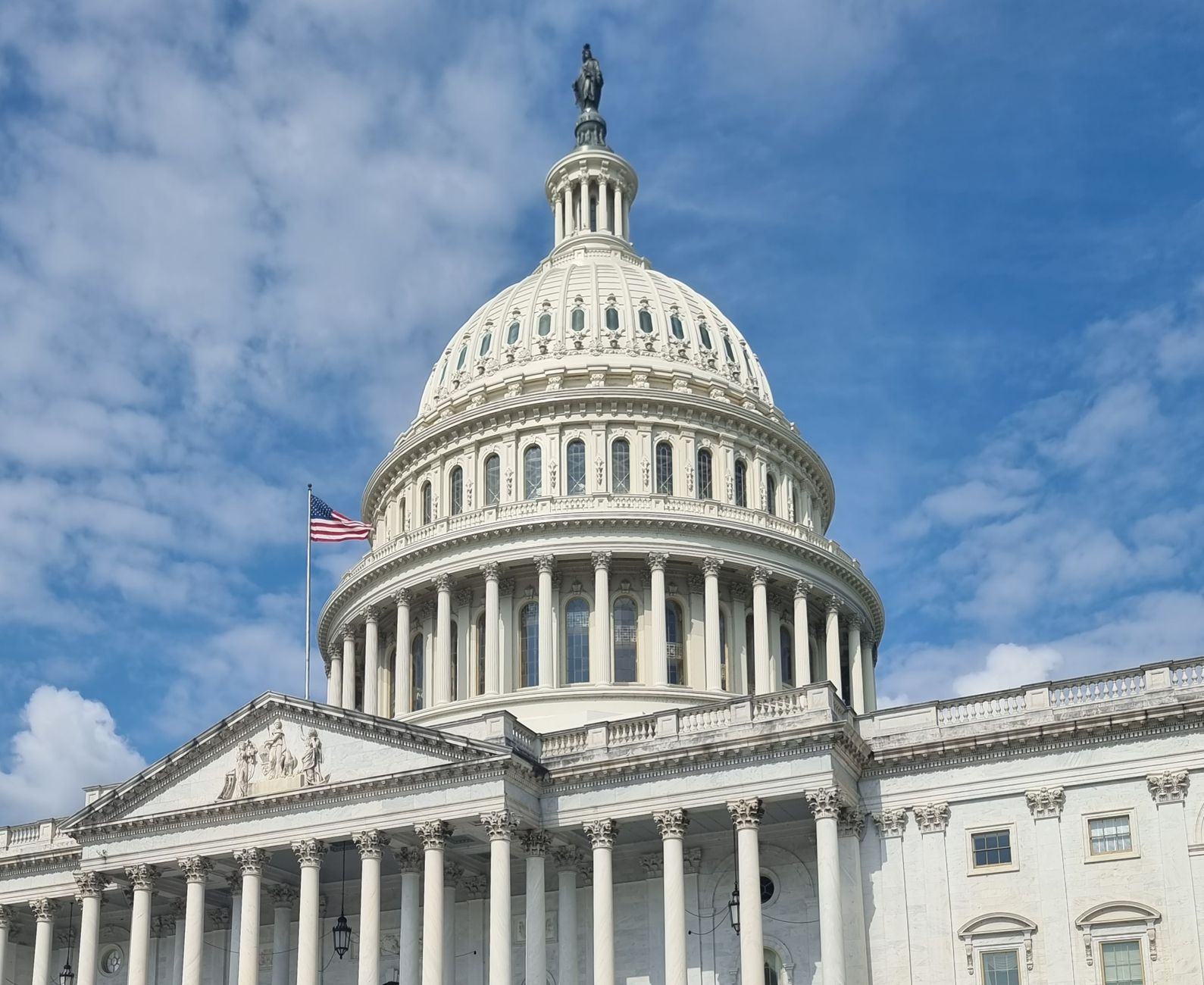
Cloture is the Senate’s mechanism for ending debate, or in this case for allowing it to begin. A motion to proceed is the step that brings a bill to the floor at all. Sixty of 100 senators have to agree to it. So the vote in question is not a vote on whether the CLARITY Act becomes law. It is a vote on whether the chamber is willing to spend floor time on it, and more procedural votes would follow before final passage.
Whether it is held this week is now itself uncertain. With the Senate back, CoinDesk reports the 15 September vote might not happen, might be delayed, or might reappear in some other form, describing the bill as sitting in a kind of life-death limbo. Floor schedules are set by leadership and change by the day, and a motion that looks short of 60 is one of the more common things to slip off the calendar.
This matters for how you read the coverage next week. If cloture fails, the bill is stalled rather than dead: sponsors can renegotiate and refile the motion, and often do. A vote that never gets called says even less than one that fails, though a great many headlines will treat either as a verdict on the bill.
CryptoSlate reports that with a week to go, senators involved in negotiations were signalling the votes may not be there. We could not locate the primary reporting that claim rests on, so treat it as a secondary account rather than something we have verified.
What CLARITY would change
The Digital Asset Market Clarity Act would set federal rules for digital-asset markets and split supervision between the Securities and Exchange Commission and the Commodity Futures Trading Commission. That split is the whole substance of the bill.
At the moment there is no statutory answer to a basic question: is a given token a security, which puts it under the SEC, or a commodity, which puts it under the CFTC. In the absence of a rule, the answer has been decided case by case through enforcement actions and court fights, which is why the last few years produced lawsuits against exchanges rather than a rulebook for them. A platform listing a token has been making a legal bet, not following a process.
The industry’s framing is that the bill provides certainty. That is an interested party’s description of its own bill, and worth holding at arm’s length: which assets end up under which regulator, and how strict each regime turns out to be, is exactly what the drafting fights are about.
The text moved before the vote
Senate Republicans circulated a revised version of the bill on 10 September, five days before the procedural vote as it was then scheduled, according to The Block. Two areas of the text moved and one contested area did not. Rewriting a bill days before a floor vote is what tends to happen when sponsors think the count is short.
The DeFi provisions were rewritten to apply to what the drafters describe as “non-decentralized” operators. That distinction is doing real work, because “DeFi” covers two very different things: software that runs on its own with nobody able to switch it off, and services that present as decentralised while a company holds the keys, runs the website and collects the fees. A rule aimed only at the second group is a rule aimed at businesses rather than at published code. Where the text actually draws that line is what lawyers will spend this week reading.
The credit union provisions were also changed, though the reporting does not set out how. That section sits closest to the fight described below, since credit unions and banks are the institutions whose own permissions shift depending on how the bill treats custody and settlement.
The contested ethics section stayed largely as it was. Cloture needs 60 votes, which means votes from both parties, and that section has been one of the points Democrats have pushed on. Leaving it untouched while conceding elsewhere reads as a bet that the 60 can be assembled without moving on it. That last part is our inference from the sequence, not something the sponsors have said.
Why banks are on the other side
The campaign is aimed at the banking lobby rather than at any individual senator, which tells you where the resistance is. The specific mechanisms at issue are the ones that touch bank business rather than crypto trading.
Market-structure legislation determines who is allowed to custody digital assets and under what capital treatment, whether non-bank platforms can offer wallet and settlement services that look like banking, and how a token issued by a non-bank sits alongside deposits. Banks have argued in the related debate that yield-bearing digital dollars pull cheap deposits off their balance sheets. The custody question is live on a separate track too: the SEC’s rewrite of custody rules for investment advisers entered White House review on 25 August, according to The Defiant.
None of that is a general dislike of crypto. It is a fight over which licence you need to hold other people’s money.
What to watch
First, whether the vote is called at all. If it appears on the schedule and the motion to proceed gets 60, the bill reaches the floor. If it is pulled before it happens, that is usually a sign the count came up short, and the thing to look for then is whether sponsors say publicly that they will bring it back. That is the difference between a delay and an ending.
Whether the revised text buys any votes is the other open question, and the answer will be visible in what Democratic senators say about the ethics section over the next few days rather than in the bill text itself. Watch too for what the ads actually claim, and how long they keep running if the vote slides. A 501(c)(4) nonprofit is not required to disclose its donors, so the money behind a seven-figure buy is not something anyone outside it can trace.
And if the bill does move, the detail worth following is the list of which tokens land with the CFTC, because that list will eventually show up in what your exchange is prepared to offer. Our policy coverage follows the same thread, and if you hold coins on a platform, the self-custody guide covers the alternative.