
- The US Federal Reserve has raised interest rates for the first time since 2023. Bitcoin traded above $76,000 and showed little immediate reaction.
- Cointelegraph reports that 16 of 18 Fed officials expect at least one more rise before the end of the year. CoinDesk described the same projections as pointing to limited further tightening.
- We could not find the Fed’s own statement or projections document in our sources, so the official detail here is reported second hand rather than verified by us.
Interest rates in the United States have gone up for the first time since 2023, and bitcoin did almost nothing. It traded above $76,000 through the announcement. The last time the Fed was raising rates, the crypto market spent a year coming apart.
The cost of borrowing dollars is the biggest single influence on bitcoin’s price that has nothing to do with crypto itself. When it moves sharply, the price has usually moved with it. This time it didn’t, which suggests the link is looser than most people took from 2022.
There’s a second point if you hold bitcoin in the UK. Your own borrowing costs are set in London by the Bank of England, and bitcoin’s dollar price responds to decisions made in Washington. The two can pull in different directions in the same week, and a headline about a US rate rise tells you nothing about your mortgage.
Why a rate rise is supposed to hurt bitcoin at all
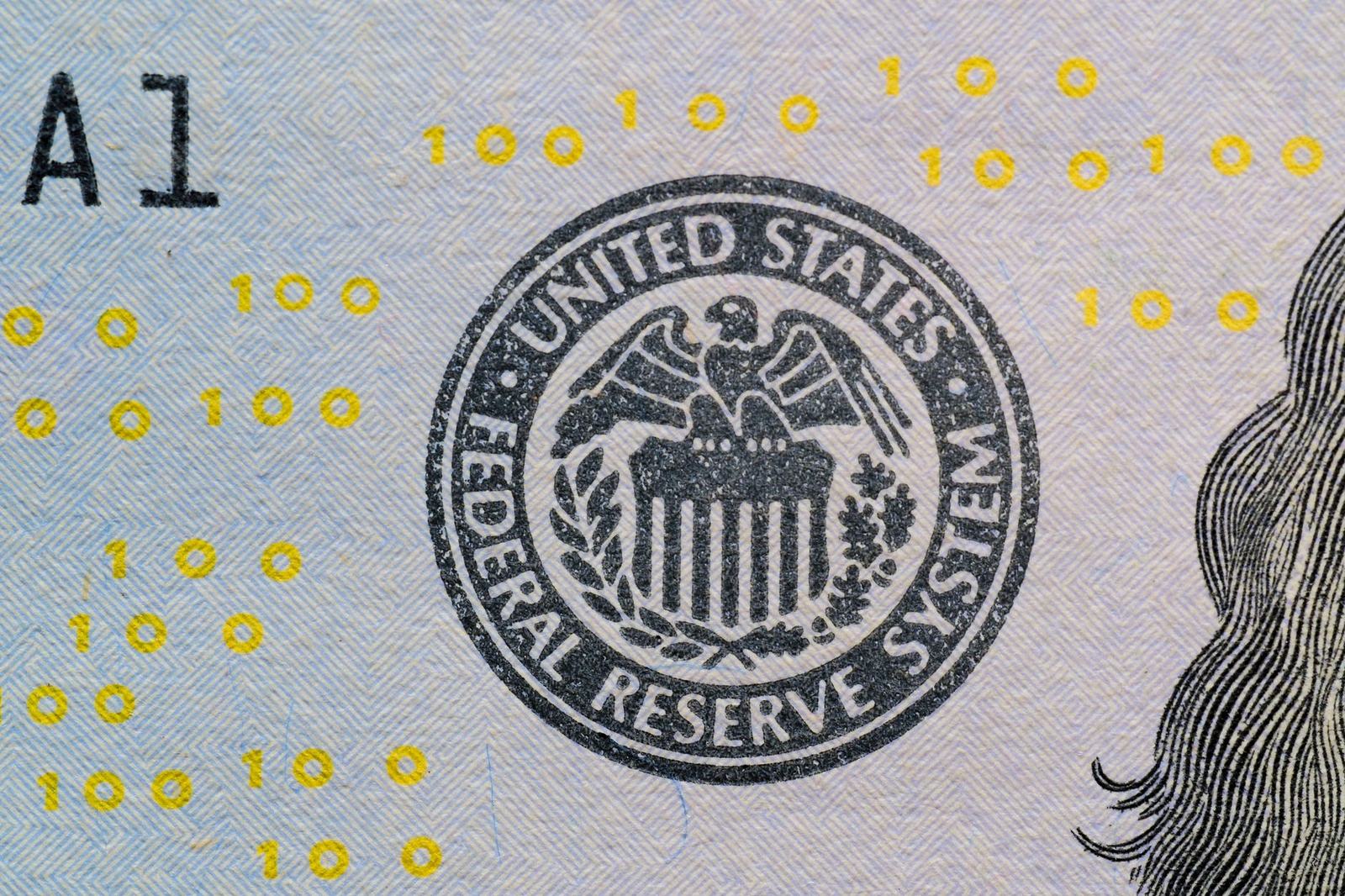
A central bank’s policy rate is the rate at the bottom of the whole financial system: roughly what banks pay to borrow for very short periods. Nearly everything else is priced off it. Mortgages, business loans, the interest on a savings account and the yield on government debt all move when that number moves.
Bitcoin pays you nothing while you hold it. No dividend, no coupon, no interest. The entire return, good or bad, comes from the price. So when cash parked somewhere safe pays four or five per cent a year, an asset paying zero has to clear a higher bar to be worth owning. That’s the first channel.
The second is borrowed money. A large share of crypto trading is done with leverage, meaning traders put up a fraction of the value and borrow the rest. Dearer borrowing makes those positions more expensive to keep open, and when they get closed, the selling is real.
That’s the theory. For most of 2022 it described what happened almost exactly.
2022 is the comparison everyone reaches for
In that cycle the Fed took rates from near zero to above four per cent inside a year, and bitcoin finished 2022 down roughly 65%. The two lines on the chart looked like cause and effect.
The awkward detail is that crypto’s own credit system collapsed over the same months. Terra failed in May, Celsius and Three Arrows Capital went down behind it, and FTX in November. Lenders that had been passing the same coins around each other stopped existing. Working out how much of that 65% was the Fed and how much was crypto eating itself was always partly guesswork, and it still is.
Nothing of that kind is happening now, which is one plausible reason a hike landed without much drama. It is not proof of one.
What’s confirmed, and what’s inference
Confirmed across several outlets: the rise happened, and it was the first since 2023. The figure of 16 of 18 officials expecting at least one more increase this year comes from Cointelegraph’s write-up, and we did not see the underlying projections. CoinDesk, covering the same meeting, framed the outlook as limited further tightening. Those are not the same message, and a reader who saw only one of them would walk away with a different expectation of what the rest of the year holds.
We had no access to the Fed’s statement or the press conference, so no official remarks are quoted here.
The wider claim now circulating, that interest rates rather than regulation set the floor under crypto prices, is analyst interpretation rather than something the meeting established. It also has to compete with the other news of the week: a House committee advanced a bill to codify the strategic bitcoin reserve, which The Block and Cointelegraph report would lock up bitcoin acquired through civil and criminal forfeiture for twenty years. Two plausible reasons for a steady price, arriving at once, and a single day’s trading cannot separate them.
The bit US coverage leaves out
The Bank of England sets Bank Rate on its own timetable and for its own reasons, and it is not obliged to follow the Fed. For anyone here, that split matters more than it sounds.
Your borrowing costs, your savings rate and the affordability of your mortgage sit on the Bank of England’s path. Bitcoin is priced in dollars, so what a sterling buyer actually pays is that dollar price run through the exchange rate. If US rates rise while UK rates hold, the dollar tends to strengthen against the pound, and the sterling price of bitcoin can climb even on a day when the dollar price hasn’t moved at all. That’s a currency effect wearing a crypto costume, and it shows up in UK portfolios either way.
What to watch
Whether the further hikes in those projections actually arrive. Officials’ expectations in the autumn have a long record of not surviving the winter, and the gap between the Cointelegraph and CoinDesk readings of the same document will resolve itself in the decisions rather than the commentary.
Beyond that, watch borrowing costs inside crypto itself, particularly perpetual funding rates and lending yields. That was where 2022 broke first, and it would be the early sign that higher dollar rates are biting rather than being absorbed. Broader coverage sits on our markets page.