
- A report from the Bitcoin Policy Institute argues that bitcoin miners could buy Scottish wind power that currently gets paid to switch off.
- CoinDesk puts the constraint bill the report is aimed at around $1.3bn.
- There is no sign that Ofgem, the system operator or any government department has endorsed the idea, or been asked to.
Scotland produces more wind power than the cables running south can carry. When that happens, the grid pays wind farms to stop generating. A bitcoin advocacy group has now published a report arguing that miners could buy that electricity instead, and that Britain would be better off for it.
The money paid to wind farms to switch off comes back to you through your energy bill, via network charges. So the underlying problem is real and it is already costing households, whether or not bitcoin ever comes near it. What is being proposed here is a solution from an interested party rather than anything the grid has asked for, and that is the difference worth holding onto when you see the figure quoted.
What a constraint payment actually is
Electricity has to be used the moment it is generated. Britain’s wind capacity is concentrated in Scotland and most of the demand sits in England, and the transmission links between the two have a hard limit on how much they can carry at once.
When the wind blows hard and that link is full, the system operator pays Scottish wind farms to reduce output, and often pays gas plants further south to increase theirs to make up the difference. Both payments are a cost of running the system, and both are recovered through charges that end up on consumer bills.
None of that is disputed or novel. It has been a known problem for years, and the conventional fix is more transmission capacity, which is slow and expensive, or more storage and flexible demand close to where the wind is.
What the report proposes
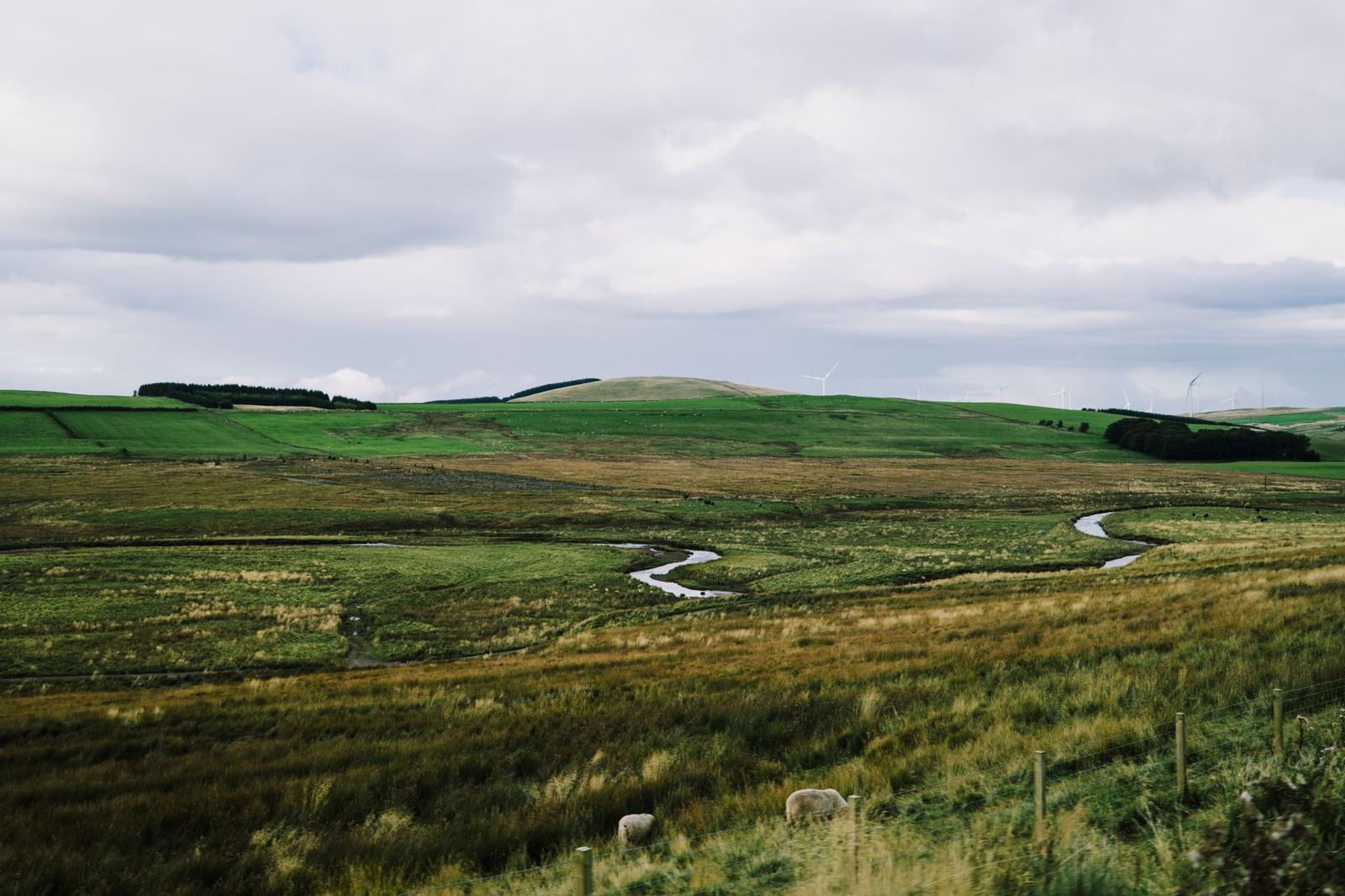
The Bitcoin Policy Institute argues that mining is a flexible buyer that could sit next to Scottish wind farms and consume power that would otherwise be curtailed. Mining is the process that keeps the bitcoin network running: computers compete to solve calculations, and the winner is rewarded with newly created coins. It runs anywhere there is electricity and a connection, it can be switched off in seconds, and it does not care what time of day it operates.
That flexibility is the entire argument. A data centre serving customers cannot go dark when the grid is tight. A mining site can, at least in principle.
We could not find the report itself, and are working from CoinDesk’s write-up of it, so the $1.3bn figure and the detail of the modelling sit on that single account. It is also quoted in dollars for a British grid cost, which tells you something about the audience the document was written for.
It has been tried, with mixed results
This is not a new pitch. In Texas, miners have been paid to shut down during demand peaks, and several listed mining firms have reported real income from those arrangements. In the United States and Canada, companies including Crusoe built businesses around burning gas that oil wells would otherwise flare, generating power on site and mining with it.
What happened next is the part that rarely makes the pitch deck. Crusoe moved decisively towards AI computing, where the same power and the same buildings earn far more. We saw the same pattern in Paraguay, where cheap hydro contracts signed with miners have been steadily reassigned as AI operators turned up with bigger budgets. Power that is genuinely stranded tends not to stay stranded once somebody has built the connection to it.
The questions it leaves open
Who builds and funds the sites is the first one. Grid connection queues in Britain have been reported as running for years, and a mining shed outside Thurso still needs a connection agreement, planning permission and capital.
Whether miners would actually power down on demand is the second. In Texas that behaviour is bought through contracts with financial penalties attached. A voluntary promise from a private operator to stop earning revenue when the grid asks is worth considerably less.
And nobody official has said anything. If Ofgem or the National Energy System Operator has a view on using mining as flexible demand, it has not been published alongside this report.
Our inference, and we label it as one: the strongest version of this argument is not really about bitcoin at all. It is that Britain needs far more flexible demand sited near Scottish wind, and batteries, hydrogen electrolysers and conventional data centres are all competing for exactly that role, with longer track records and fewer political problems.
What to watch
Whether any response comes from Ofgem or the system operator. A report from an advocacy group becomes a story when the people who run the grid engage with it, and not before.
Beyond that, watch for the idea turning up in a government consultation on demand flexibility or in evidence to a select committee. That would be the point at which this moves from lobbying to policy. Until then it is a document, and the constraint payments carry on either way.