
- Binance says it will no longer process transactions involving 16 crypto exchanges, five of which were already blocked, citing regulatory compliance.
- HTX is the best-known name on the list, added after the EU’s latest sanctions package targeting Russia.
- This is Binance closing a route between two companies, not anyone freezing balances held on the listed platforms.
Say you keep a balance on HTX. Binance has just said it won’t process transactions involving that platform, along with ten others. Nothing has been seized and no account has been locked. What has closed is a road between two companies.
If your money sits on one of the named platforms, the practical effect is a road closure rather than a confiscation. But routes like this tend to shut quietly and one at a time, and the first most people hear about it is a transfer that fails without much explanation. Knowing the difference tells you whether you need to act today or simply watch.
What Binance has actually said
Binance told users it will stop processing transactions involving 11 further crypto platforms, taking the total to 16 once you include five it had already blocked. It pointed to regulatory compliance as the reason, and the trigger is the European Union’s most recent sanctions package aimed at Russia, which named HTX among the platforms it targets.
Binance has not spelled out whether the restriction applies to every user worldwide or only to those it treats as within the EU’s reach. Large exchanges usually apply this kind of block globally rather than trying to sort traffic by passport, because the compliance risk of getting it wrong is bigger than the commercial cost of getting it broadly right. That’s an expectation, though, not something the company has confirmed.
What a sanctions listing actually does
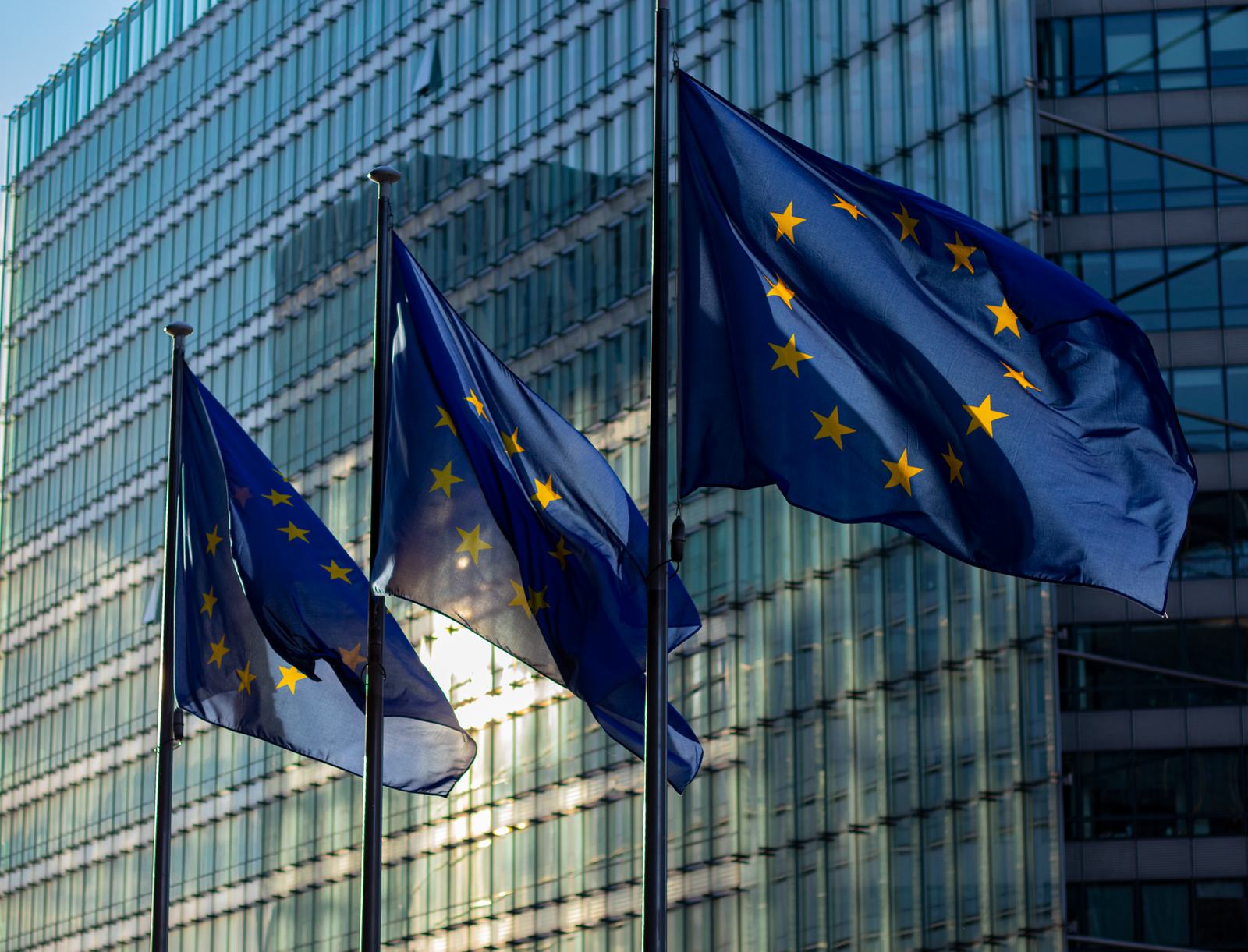
A sanctions listing is a government instruction. When a bloc like the EU names a company, firms inside its jurisdiction are generally barred from doing business with the named entity, and banks and payment firms are expected to stop moving money to and from it.
Crypto complicates that only slightly. The itself doesn’t check anybody’s paperwork: a transfer between two wallets happens whether regulators approve or not. The choke points are the companies. Exchanges hold customer money, run bank relationships and hold licences in the places they operate, and licences are exactly what a regulator can take away. So the enforcement lands on the businesses rather than on the network.
That’s why the visible consequence of an EU sanctions listing is another exchange, in this case Binance, changing what it will and won’t process.
Blocked is not frozen, and the difference matters
These two words get used as if they mean the same thing. They don’t.
A freeze is when the company holding your money stops you moving it. Your balance stays where it is and you lose access to it, usually until a court, a regulator or an insolvency process says otherwise.
A block is one company refusing to accept traffic from another. Binance is not the custodian of anyone’s HTX balance. It cannot freeze what it doesn’t hold. What it can do, and what it says it will do, is decline transactions that originate from or head towards the listed platforms.
So if you hold coins on one of these platforms, they are still yours and still sitting where you left them, as far as anything Binance has announced goes. What has changed is that one specific exit, the one leading to the largest exchange in the world, is shut.
What someone with a balance there can realistically do
Not much has to happen immediately, but there are limited practical options and they’re worth knowing.
You can move funds to a wallet you control yourself, or to another exchange that still accepts them, assuming the platform in question is still processing withdrawals normally. You can also do nothing, which is a defensible choice if you’d rather see how this settles.
The one thing worth avoiding is a transfer aimed at Binance that you assume will simply arrive. When an exchange stops processing traffic from a named counterparty, funds sent that way can end up stuck in a support queue rather than bouncing back cleanly. Sending a small test amount first is standard practice for exactly this reason.
We’re not telling anyone what to do with their money. The point is that the range of routes narrows when a big exchange withdraws, and the routes tend to narrow faster than the announcements arrive.
The UK angle
HTX is not an unfamiliar name to UK regulators. The Financial Conduct Authority has already had the platform in its sights over how it operates for UK customers, which we’ve covered separately in our policy coverage. An EU sanctions listing is a different mechanism from anything the FCA does, and one does not automatically follow from the other. But for a UK holder the effect stacks up in the same direction: fewer regulated on-ramps and off-ramps willing to touch the platform.
What to watch
Whether other large exchanges follow. Binance moving first tends to set the floor for everyone else, and if Coinbase, Kraken and the rest quietly do the same, a platform can become effectively unreachable from the mainstream market within weeks without a single account being frozen.
Also watch whether Binance clarifies the scope. A block applied globally is a much bigger event for HTX than one applied to EU users only, and right now that hasn’t been spelled out. And watch the EU’s next package: sanctions lists grow by addition, and 16 is a number that has already moved once.