
- A House committee has advanced a bill that would write the Strategic Bitcoin Reserve into law and hold federally acquired bitcoin for 20 years.
- Advancing is not passing. The full House has not voted, and the current Congress is expected to adjourn within weeks.
- The bill covers coins the government already holds. Nothing in the published accounts of it authorises buying more.
The United States already owns a large pile of bitcoin, and it already has a policy of not selling it. A House committee has now voted to put that policy into law, and to keep it there for two decades.
If this became law it would not add a single buyer to the market. It changes who is allowed to sell, not who is buying. For a UK holder reading headlines about America stockpiling bitcoin, that is the whole distinction: coins that were already sitting still would carry on sitting still, with a statute behind the arrangement instead of an executive order the next president could rewrite on day one.
What clearing committee actually means
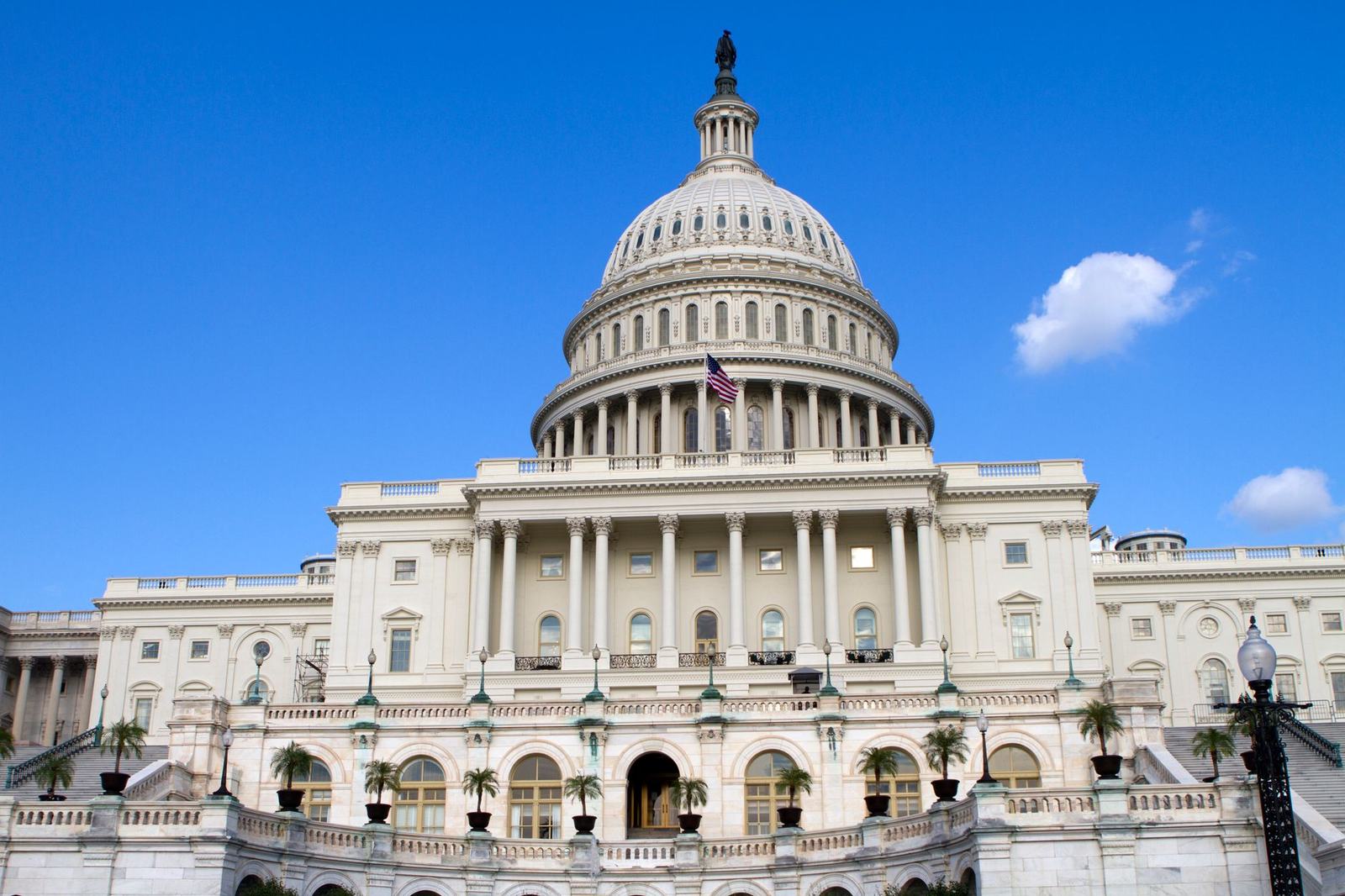
The vote makes the bill eligible for a vote by the full House. It does not schedule one. House leadership decides what gets floor time, and floor time is the scarce thing here.
The Block reports that the 119th Congress is expected to adjourn in the coming weeks. Bills that have not passed by the time a Congress ends do not carry over. They have to be reintroduced in the next one and work their way through again. And a House vote would only move the bill to the Senate, which has its own calendar and its own arithmetic.
Committee approval is still worth something. It produces an agreed text and a recorded count of who backed it, which is a starting point a future attempt can build on.
Codifying an order is not the same as buying
The reserve itself already exists. It was created by executive order in March 2025, which directed that bitcoin forfeited to the federal government be retained instead of sold at auction, as earlier seizures were. An executive order lasts as long as the administration that signed it. A statute takes Congress to undo.
On the accounts published so far, the bill converts that existing practice into law and attaches a 20-year hold to coins the federal government has already acquired. We have not seen the text of the bill; the 20-year figure and the section it sits in come from CoinDesk’s description of it, and no primary document was available to us at the time of writing.
What none of those accounts describe is any authority to go out and buy. That part gets lost quickly once the phrase “national stockpile” is in a headline.
How much bitcoin is actually involved
No audited live figure is published. The firms that tag government-linked wallets on the have generally put US holdings somewhere near 200,000 BTC, the bulk of it from criminal forfeitures, with the Silk Road seizures the largest known single tranche. Those numbers come from address tagging by third parties, not from a Treasury balance sheet, and some seized coins are subject to claims from victims and companies, so the amount that ends up genuinely locked away could be smaller than the number usually quoted.
Either way, it is a meaningful share of a supply of a little under 20 million coins mined to date, which is why the question of whether Washington can ever sell it gets asked at all.
A seller who stops selling is a smaller event than it sounds
Government bitcoin moves prices when it actually moves. Germany worked through roughly 50,000 BTC in the middle of 2024 and the selling was visible on exchanges while it happened. A law saying coins will not be sold takes away a tail risk. It does not create a buyer, and the supply it affects was not reaching the market anyway.
It also lands in a jumpy market. The Block reported this week that Galaxy has walked back its view that bitcoin bottomed in June, and now treats a daily close below $58,525 as the start of a move toward a materially lower low. That is one firm’s call and firms revise them. It is a reasonable reminder that a committee vote is not what is setting the price this week.
What to watch
Whether House leadership finds floor time before adjournment. Without it the bill expires with this Congress and the next version begins at the start of the process.
Then the full text, once it is public. Two things in it matter more than the headline number: whether the 20-year hold carries exceptions, for returning coins to victims or moving them between agencies, and whether anything in it provides for purchases. Those answers decide whether this is a tidy-up of practice the government already follows or something with a wider effect. More policy coverage here.