
- Ben Delo and Christopher Harborne have each given £36m to Reform UK, £72m in total, reported within about 24 hours of each other.
- We have not found a primary record of the donations. The figures come from CoinDesk and The Block, and the two accounts are consistent with each other.
- A bill before the House of Lords would ban donations made in cryptocurrency and cap overseas giving at £100,000 a year.
Two men most people outside crypto have never heard of have each given a British political party £36m. The gifts to Reform UK were reported within a day of each other, and on the figures published so far they rank among the largest individual political donations ever made in the UK.
Money on this scale changes what a party can afford to do, and both donors made their fortunes in an industry that has a direct interest in how the next government writes its rules. That is worth knowing whoever you vote for.
The second thing is less obvious. The rules that decide whether a donation is allowed test who the donor is, not where the money came from. A bill now in the Lords is meant to close part of that gap. As it has been described, it would not have stopped either of these two.
What is actually confirmed
Less than the headlines suggest, at this stage. We have not been able to find a primary record: no Electoral Commission entry, no statement from the party, no comment from either donor in the coverage we have read. Everything here comes from CoinDesk and The Block, and this piece is written on their reporting rather than on a document we have seen.
The two accounts do line up. The Block puts the donations at £36m each. CoinDesk describes a combined haul of about $97m inside 24 hours, which is the same money at current rates. That consistency is reassuring without being proof.
For scale, UK political parties between them declared donations in the region of £100m across the whole of 2024, a general election year, on Electoral Commission figures. Two individuals have now put a substantial fraction of that into a single party in a day.
Who the money came from
Ben Delo co-founded BitMEX, the derivatives exchange, and is often described as Britain’s first self-made bitcoin billionaire. The exchange’s history with US authorities is a matter of public record: Delo pleaded guilty in 2021 to a charge under the US Bank Secrecy Act relating to BitMEX’s anti-money-laundering controls, and was sentenced to probation and a $10m fine. He has also signed the Giving Pledge, the commitment to give away the majority of one’s wealth.
Christopher Harborne is a British businessman whose main operating interests are in aviation fuel. He was among the largest donors to the Brexit Party in 2019 and has given to Reform UK before, so his appearance on a donor list is not new. What ties him to crypto is a reported stake in iFinex, the parent company of Tether, whose is the most heavily traded asset in the market.
Reform UK has set out a crypto policy under its own name. At a conference in Las Vegas last year Nigel Farage proposed cutting capital gains tax on crypto to 10% and creating a bitcoin reserve at the Bank of England. Nobody in the reporting has connected the donations to that policy, and neither donor has publicly said why he gave. Any account of motive is a claim until one of them makes it.
How crypto wealth becomes a declarable donation
A gift of this size cannot simply be sent. Under UK law a donation above £500 has to come from a permissible source, which in practice means an individual on a UK electoral register or a UK-registered company carrying on business here. Anything above £11,180 to a central party has to be reported to the Electoral Commission, which publishes it. The party has 30 days to check permissibility or return the money.
Those checks are about the donor’s identity and registration status. They are not an audit of where the donor’s wealth originated, and the Commission has said as much about its own powers on more than one occasion. So a billionaire who made the money in bitcoin, oil, property or anything else clears the same bar, provided the person is on the register.
Crypto itself can be donated, in which case the party values it and declares it as a non-cash gift. The more ordinary route is to sell first and send sterling from a UK bank account. Which of those happened here is not something the current reporting establishes.
What the Lords bill would and would not do
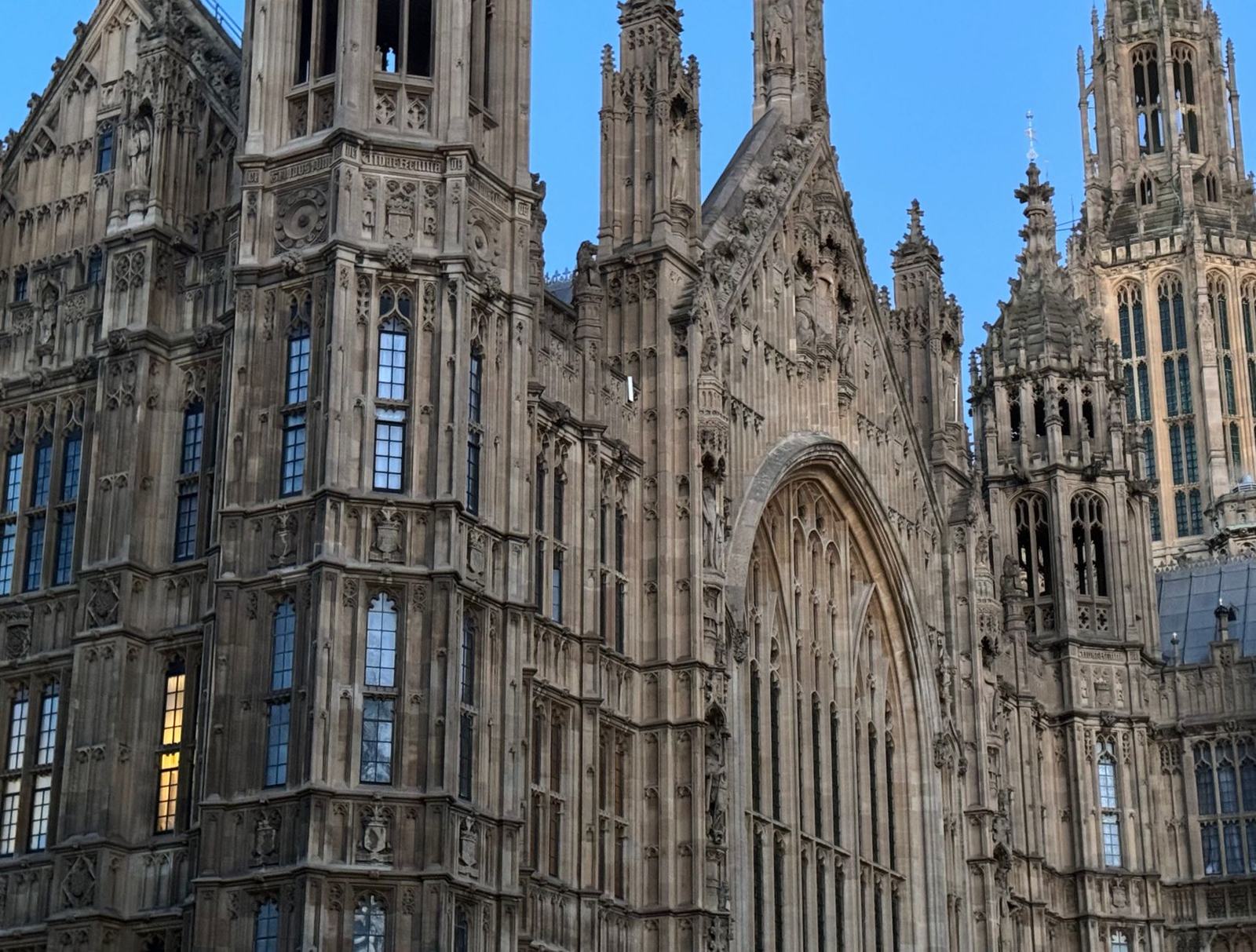
The bill under consideration in the Lords would halt donations made in cryptocurrency and cap giving from overseas sources at £100,000 a year. We have not verified its title or stage against parliamentary records, so treat the description as reported rather than checked.
Read narrowly, it bans a payment method. If Delo and Harborne gave sterling from UK accounts, as UK-registered donors, a ban on crypto-denominated donations would not have applied to them at all, and an overseas cap would not either. Nor would any of it be retrospective. The bill addresses money arriving in coins from abroad, which is a real problem and a different one from what appears to have happened this week.
The wider point sits in our policy coverage more generally. Crypto has produced a cohort of very young, very liquid fortunes, and the people holding them are now old enough and settled enough to be permissible donors in the countries where they live.
What to watch
The Electoral Commission’s donation register. That is where the amounts, the dates and crucially whether each gift was cash or non-cash have to appear, and it will settle in one line what nobody can currently confirm from the outside. Until it does, the £36m figures rest on two outlets’ reporting.
Then the bill. If it clears the Lords in the form described, the question for anyone drafting it is whether a ban on crypto as a payment method does anything at all once the coins have been sold for pounds.