
- Spending on crypto-linked debit cards has passed $1bn over the past year, more than three times the previous year, on figures reported by CoinDesk.
- USDC and USDT funded over 70% of it, going on groceries, rides and subscriptions rather than trading.
- We could not find the underlying data release, so treat the totals as one analytics provider’s view of the market rather than a complete count.
Buy a sandwich in London with one of these cards and, as far as HMRC is concerned, you have disposed of an asset. Crypto card spending has passed $1bn on tracked numbers reported this week, more than triple the level of a year ago, and stablecoins are doing most of the funding.
In the UK, spending a cryptoasset is treated the same way as selling one. Every card payment is a disposal for capital gains tax, with a gain or loss to work out and a record to keep, whether it’s £3,000 of furniture or £3.40 of coffee. That applies to stablecoins too, even ones pegged to the dollar, because your gain is measured in sterling.
The second thing worth knowing is that the $1bn is not a count of everything spent on crypto cards everywhere. It’s what one analytics provider can see.
What the number actually counts
The figure comes from tracked card volume: transactions that an analytics firm can attribute to known crypto card programmes. Card issuers and networks don’t publish a combined total, and plenty of programmes are small, regional or run through partners that aren’t easy to identify from the outside. So the honest reading is that visible spending has tripled, which is a real signal, rather than that the market is exactly a billion dollars in size.
We could not locate a primary data release behind this, and the coverage we can see carries no named analyst on the record explaining the methodology. That doesn’t make the number wrong. It does mean nobody outside the provider can check how the attribution was done, and we’d rather say that than pretend otherwise.
The split is the more interesting detail. If USDC and USDT are funding more than 70% of card spending, most of this is not people spending bitcoin. It’s people holding dollars on a and using a card to reach them.
The merchant never touches the stablecoin
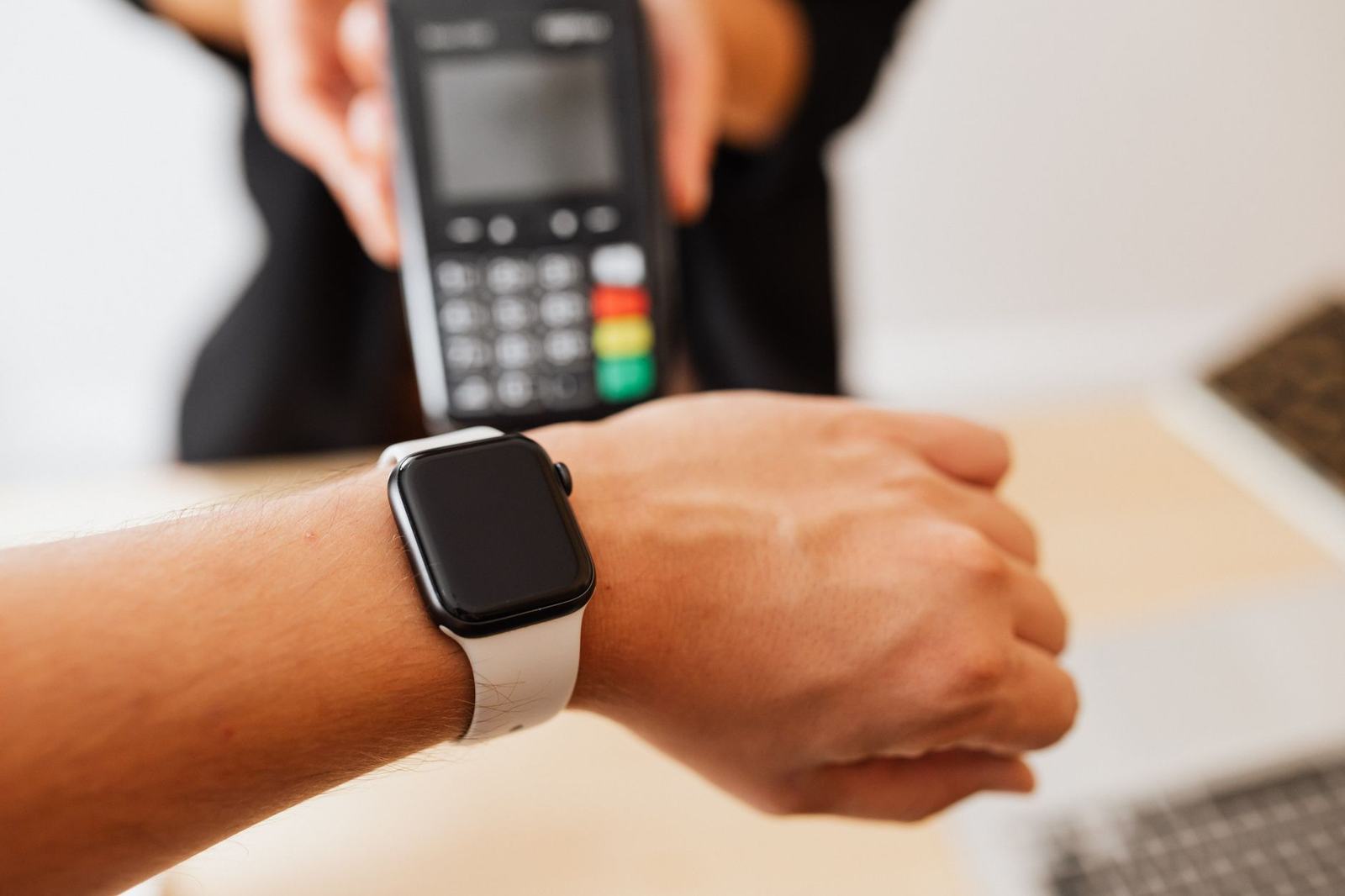
This is where the framing tends to slip. A crypto card is a normal Visa or Mastercard debit card with an unusual funding source behind it. When you tap it, the card programme sells or converts your stablecoin and settles with the merchant in ordinary money. The coffee shop is paid in pounds. It has no idea a stablecoin was involved and doesn’t need to.
So this is stablecoins funding everyday spending, not merchants accepting crypto. The distinction matters because the two things have very different consequences. Merchant acceptance would mean shops carrying crypto price risk and holding the asset. Card spending means a conversion happens somewhere in the middle, usually at a spread you’re paying without seeing it broken out.
It also means the payment can break for reasons that have nothing to do with crypto. These programmes sit on top of an electronic money institution or a bank sponsor, and European card schemes have gone dark at short notice before when the licensed partner behind them withdrew or lost permissions. Cardholders found out when the card stopped working.
The UK tax problem nobody advertises
HMRC’s position is that disposing of a includes using it to pay for goods and services. There is no de minimis exemption for small purchases. In principle, a year of buying lunch on a crypto card generates a year of individual disposals, each needing an acquisition cost and a sterling value at the time of spending.
Most of those gains will be pennies. A dollar stablecoin doesn’t move against the dollar, but it moves against the pound, so a card user in Britain can accumulate small gains or losses purely from the exchange rate between buying the coin and spending it. Whether you end up owing anything depends on your total gains for the year against the annual exempt amount, which has been cut repeatedly and is worth checking rather than assuming. The record-keeping obligation exists either way. Our guide to UK crypto tax covers how disposals are calculated.
Some card providers now export a transaction history in a format tax software can read, which is the difference between an afternoon’s work and an unpleasant one. Others don’t.
What’s available in Britain
Availability is narrower here than the global spending figure suggests. Since the FCA’s financial promotions regime took effect in October 2023, firms marketing cryptoassets to UK consumers have had to be authorised or have their promotions approved, and several international providers responded by keeping UK residents off their waiting lists rather than doing the work. Others operate here through partners.
Separately, some UK banks restrict payments to and from crypto platforms, which affects the top-up leg rather than the card itself. Our guide to UK banks and crypto payments sets out where those limits currently sit.
What to watch
Whether the tracked total keeps climbing once the comparison base is no longer a small one. Tripling from a low starting point is easier than repeating it.
And whether any card programme publishes audited volumes rather than leaving the market to be measured by third parties. A single set of numbers with a name attached to it would settle what a billion dollars of card spending actually represents.
One thing that would change the picture entirely: a shift from cards to direct merchant settlement in stablecoins. Nothing in these figures suggests that has started.
We have worked through what a crypto card actually costs a UK user, from a debit card to a dollar stablecoin to ether, across a single London coffee and a working year. It is in our guide to what a crypto card actually costs in the UK.