
- Bitcoin Core has patched a flaw that let a single peer stop a node processing blocks and transactions for “over a dozen seconds” at a time.
- The fix is in versions 30.5, 31.3 and 32.1. The 29.x series is end of life and will not get one.
- No coins were at risk. The bug jammed a computer’s queue, it did not touch anyone’s keys.
Nothing in this story puts your bitcoin at risk, which is worth saying first, because the headlines around it have been doing a lot of work. The bug disclosed by Bitcoin Core on 20 November made nodes stop listening for a while. It never made anybody’s coins movable.
If you hold bitcoin on an exchange or on a hardware wallet, there is nothing here for you to do. This one lands entirely on the people running the software that keeps the network checking its own work, and the awkward part is that some of them are running a version that nobody is going to fix.
What a node actually does
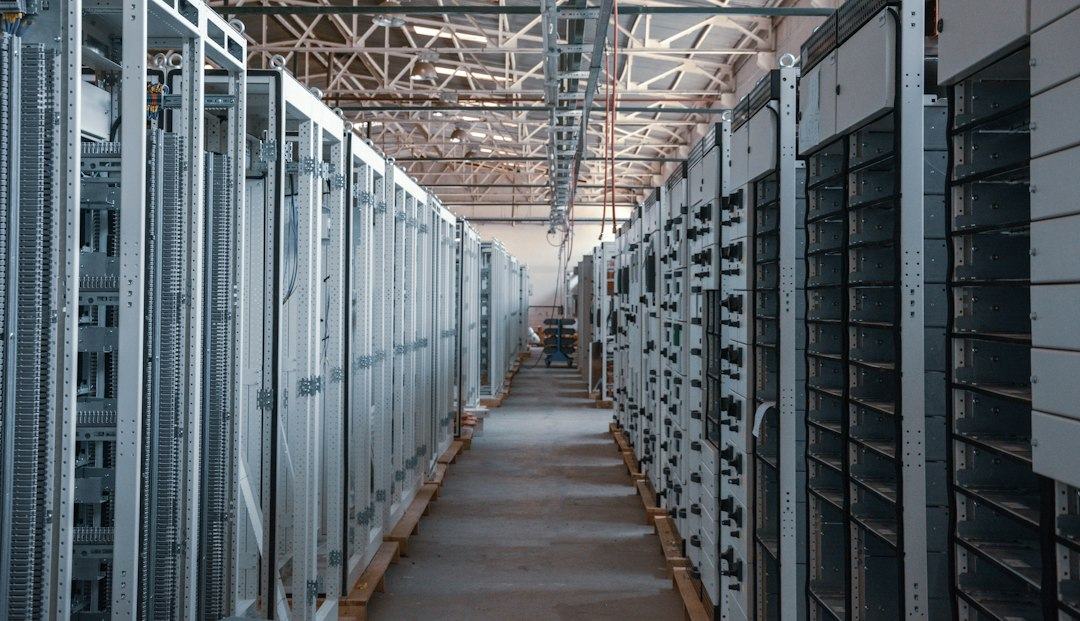
A node is a computer running the bitcoin software, keeping a full copy of the ledger and checking every new block and transaction against the rules. There are tens of thousands of them, run by exchanges, businesses, and hobbyists with a spare machine under the stairs.
They are the reason nobody can simply invent coins. A node that sees an invalid block refuses to pass it on, and because thousands of independent machines do that simultaneously, bad data goes nowhere. Bitcoin Core is the dominant implementation of that software, so a weakness in it is a weakness in most of the network at once.
A node that stops responding for a few seconds is not a disaster on its own. It goes quiet, falls slightly behind, then catches up. Enough of them going quiet at the same time is a slower, patchier network, and that is the level at which this mattered.
How one peer could jam the queue
Transactions sometimes arrive out of order. A node receives a transaction that spends coins from a parent transaction it has not seen yet, so it cannot verify it. Rather than throw it away, Core parks it in what the project calls the orphanage and asks the peer that sent it for the missing parents.
Since version 29.0, every time a peer announced an orphan, Core rebuilt the full list of that orphan’s missing parents and checked each one against its memory pool and its filters of recently seen transactions. Fine for one announcement. The problem is the announcement message itself, called an inv, which can carry up to 50,000 entries, and duplicates in it were not being skipped.
So an attacker could construct an orphan with thousands of missing parents, then list the same transaction 50,000 times in one message. Core would do the whole parent-checking exercise 50,000 times over. In the advisory’s words, the result was a node that stops “processing blocks and transactions temporarily”, with each malicious message buying the attacker over a dozen seconds of silence, during which messages from every other peer, new blocks included, simply waited.
The fix is unglamorous and about as small as fixes get: process each transaction announced in a message once. The project rates the issue Medium severity and “easily discoverable”, which is its own way of saying this was not a subtle one.
The versions that will not be fixed
Affected releases run from 29.0 to 29.5, 30.0 to 30.4, and 31.0 to 31.2. Patched versions are 30.5, 31.3 and 32.1, with 32.1 having shipped quietly back in October before the disclosure went public.
Operators on the 30.x and 31.x lines have a straightforward upgrade within their own series. Anyone on 29.x does not. That branch reached end of life before this was disclosed, which means waiting for a patch is not an option available to them, and the only route out is moving to a newer line entirely. Bitcoin Core publishes no reliable count of how many nodes that leaves exposed.
Found by a machine, confirmed by people
The attribution section is where this stops being a routine dedup fix. Core credits the discovery to an automated scan by Project Loupe, a tool run by Elias Rohrer at Spiral, the bitcoin development arm funded by Block. A Core contributor, Gregory Sanders, validated it and escalated it. An independent researcher going by Stutxo reported the same issue separately a month later, and the fix was merged two days after that.
Software auditing by machine is not new, but a named automated scanner getting first credit in a Bitcoin Core advisory is a shift in how this codebase is being examined. It is also the project’s own account of its own process: Loupe’s methodology and hit rate are not published anywhere a reader can check them, so the claim that a scanner rather than a person surfaced the root cause rests on Core and Spiral saying so.
One further gap worth noting. The advisory does not say whether anyone ever used this against a live node, and it does not say they didn’t. Silence is not a denial, and there is no public data either way.
What to watch
Whether node counts on the 29.x series actually fall over the coming weeks. End-of-life software tends to linger on machines nobody logs into any more, and a known, easily discoverable stall in an unpatched branch is a standing invitation.
Beyond that, whether Loupe shows up in more advisories. One credit is a curiosity. A pattern of automated scans finding real bugs in bitcoin’s most important codebase would change what a security audit means here, and that is a bigger story than this particular fix. If you want the background on why where you keep your coins is a separate question from all of this, our guide to self-custody covers it.