
- Power contracts covering around 4% of the world’s bitcoin mining expire on 31 December 2027, and Paraguay’s state utility says the date is final.
- Those miners pay roughly $44 a megawatt-hour, worth about $350m a year to the utility.
- The same utility has signed a 15-year agreement to supply an AI campus backed by Founders Fund.
Cheap hydroelectric power is the reason a meaningful slice of the world’s bitcoin mining ended up in Paraguay. The country’s state utility has now put a date on when that ends: 31 December 2027, when the contracts run out and, according to the utility, will not be renewed.
Mining has one real input, and it is electricity. When the cheapest power in a country gets bought by a customer who can pay more, miners usually don’t shut down. They pack up the machines and go somewhere else, and the cost of that move shows up in the economics of the whole network rather than in one company’s accounts.
For anyone holding bitcoin, the useful question isn’t whether Paraguay’s miners survive. It’s what cheap power costs once artificial intelligence is bidding for the same megawatt-hours, because that price sets the floor under what it takes to keep the network running.
What the miners are paying for
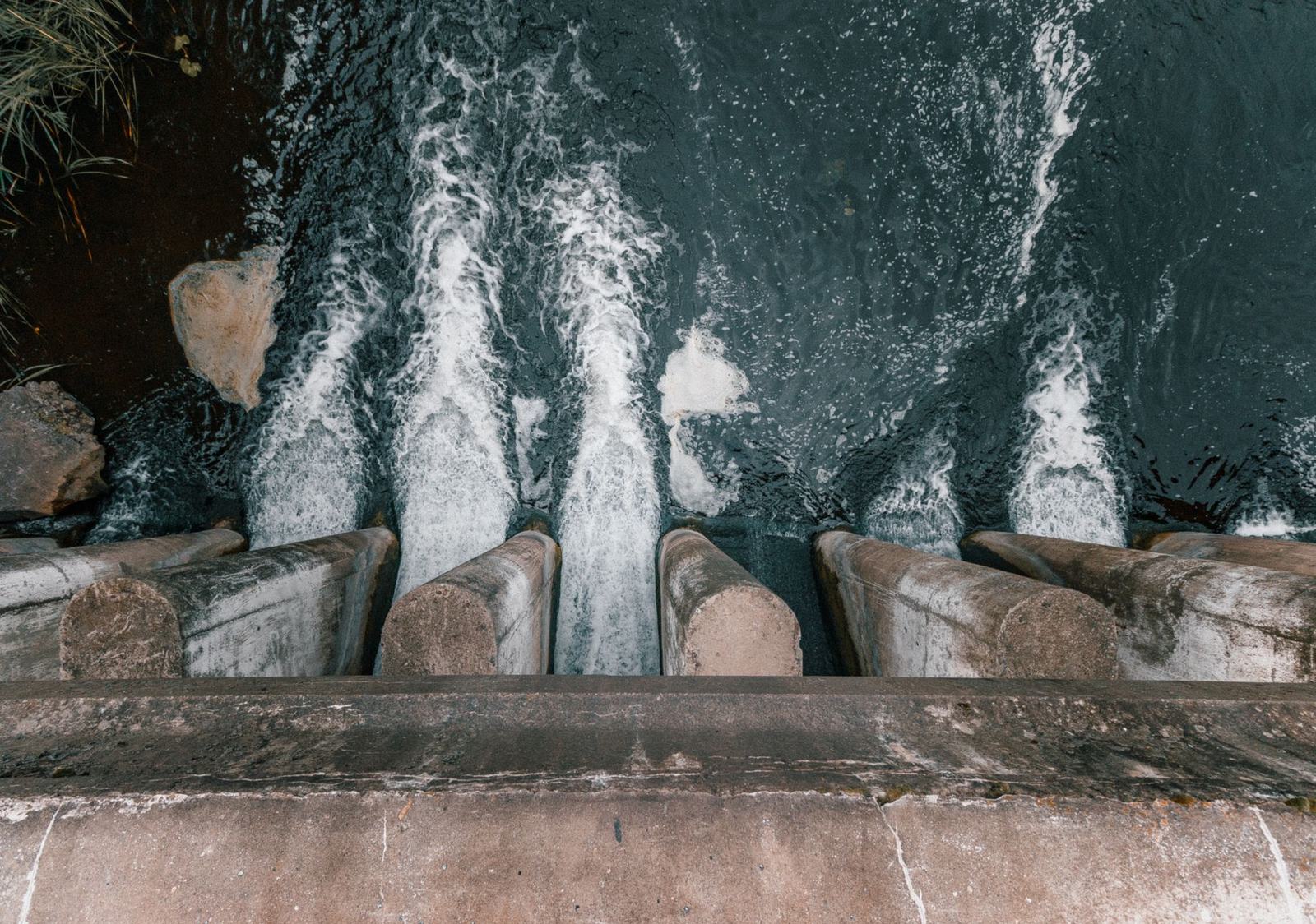
CoinDesk reports that miners in Paraguay pay about $350m a year under contracts priced at $44 a megawatt-hour, and that the operations covered account for roughly 4% of global bitcoin mining. The contracts expire at the end of 2027, and ANDE, the state electricity company, is reported to have described that deadline as final.
Run the two published numbers together and you get a sense of the scale. At $44 a megawatt-hour, $350m buys close to eight million megawatt-hours a year, which spread evenly across the 8,760 hours in a year works out at roughly 900 megawatts of continuous draw. That is a large power station’s entire output, and it is our arithmetic from the figures as reported rather than a load the utility has confirmed.
Paraguay generates far more electricity than it consumes, most of it from the Itaipú dam it shares with Brazil. That surplus is the whole reason miners went there, and it is also what makes the country attractive to the next industry along.
One caveat on all of this: we could not find a primary statement from the utility, so every figure above rests on CoinDesk’s write-up.
A 15-year deal beats a two-year one
The replacement customer is an AI campus backed by Founders Fund, the venture firm co-founded by Peter Thiel, under a 15-year supply agreement.
A utility choosing between those two customers is not really choosing between technologies. A data centre training or serving AI models earns far more revenue per megawatt-hour than a mining rig does, because a miner’s income is capped by the bitcoin price and the network’s difficulty, and miners switch off when that maths stops working. Add a 15-year commitment against contracts that have to be renegotiated every few years, and the preference is not hard to read. That is our reading of the incentives rather than a reason the utility has given.
Paraguay is not unusual in facing the choice. Utilities across the Americas and Europe have spent the past two years handling data centre connection requests on a scale that mining never approached, and cheap, steady, low-carbon power is the specific thing all of them are chasing.
Miners move rather than close
There is a template for what happens next. When China banned mining in 2021, the network’s total computing power halved within weeks, then recovered inside a year as containers of machines turned up in Texas, Kazakhstan and Russia. The electricity use didn’t disappear. It changed postcode.
We made the same point about Moscow’s mining ban, which regional officials justified on grounds of around a gigawatt of local demand and the risk of shortages later. Paraguay’s situation is different in one respect that matters: nobody is banning anything. The utility is simply declining to keep selling power at $44 when somebody else will sign for longer.
Miners can stay if they pay a market rate. Whether that works is a question of margin, and the timing is awkward. The next , which cuts the reward for mining a block in half, is expected in 2028, a few months after the Paraguayan contracts lapse. Losing a discounted power deal and half the block subsidy inside the same year is a harder combination than either on its own.
What to watch
Whether the 2027 date holds. Two years is a long time, and a $350m annual customer has room to lobby for a renewal at a higher price, which would be a very different outcome from an eviction.
Where the machines go if it does hold. The shortlist of places with stranded hydro and a government willing to sell it cheaply is shorter than it was in 2021, largely because AI data centres are now standing in the same queue.
And whether other Latin American utilities announce similar deals. One contract expiring is a commercial decision. A pattern of state utilities swapping mining revenue for 15-year AI commitments would reset where the cheapest electricity in the world actually goes.