
- The UK designated five crypto and payment companies on 8 October, including Xeltox Enterprises, the listed owner of Cryptomus and Heleket, and TokenSpot CJSC of Bishkek. They sit inside a 38-name package that also covers two oil firms and 12 tankers.
- News coverage says two of the five processed transactions with Russia’s A7 network. The government has not said which two, and the legal notice does not mention A7 anywhere.
- A designation freezes UK-held assets and makes dealing with the firm an offence. It is not a court finding, and there is no compensation route for anyone whose money is caught in it.
Cryptomus is the sort of company most British crypto users have never heard of and a few have quietly used. On 8 October its listed owner went onto the UK sanctions list, along with four other payment firms, as part of a much larger Russia package.
If you have a balance sitting with one of these platforms, it is frozen, and moving it is now a criminal matter rather than a customer-service one. There is no ombudsman behind it, no compensation scheme, and no date by which anything gets released.
Being a customer of a designated company is not itself an accusation. The sanction lands on the business. The practical effect still lands on whoever had money there.
Who was designated
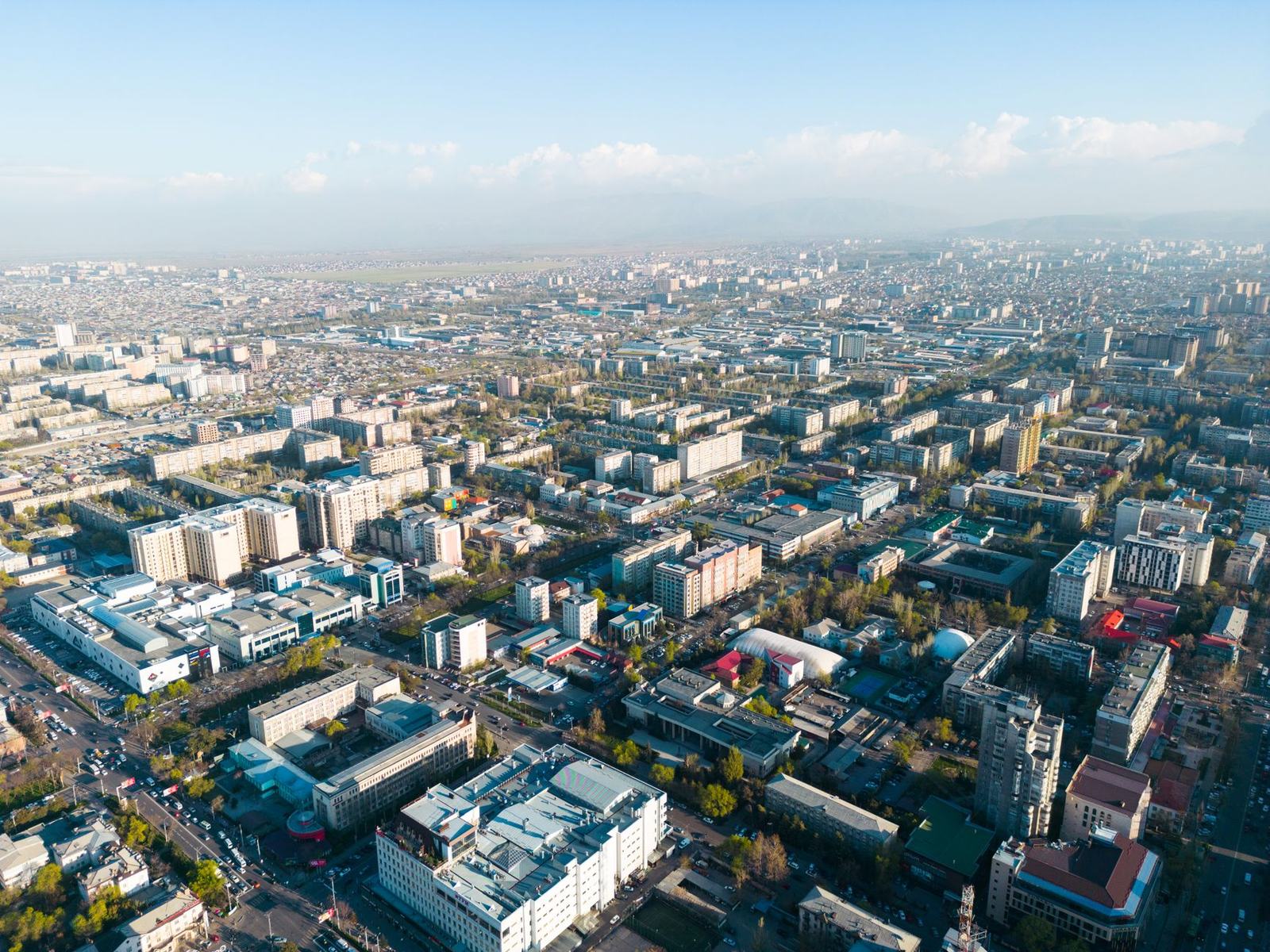
The entries are set out in the Office of Financial Sanctions Implementation notice published that day. Xeltox Enterprises Ltd, registered in Vancouver, is listed as the owner of Cryptomus, Heleket and Certa Payments. TokenSpot CJSC and Tsunami Payments LLC are both based in Bishkek, Kyrgyzstan. OJSC Processing KG, which operates the VexPay service and whose parent company is listed as the Kyrgyz Ministry of Finance, was designated alongside one of its directors, Ulan Arymbaevich Bukabaev.
The crypto names are five entries in a list of 38. The same notice adds the oil companies Zarubezhneft JSC and JSC INK-Capital, and 12 more shadow-fleet tankers identified by IMO number. That is the normal shape of these packages: a broad sweep across whatever the Foreign Office currently believes is carrying money or oil, with a handful of payment firms in among the shipping.
What the legal text says, and what it doesn’t
The reason for designating Xeltox is written out in full in the notice. The company, it says, “is or has been involved in obtaining a benefit from or supporting the Government of Russia by carrying on business in a sector of strategic significance to the Government of Russia namely, the Russian financial services sector, through its ownership of CRYPTOMUS and activities linked to and continued via HELEKET”.
The TokenSpot entry is the same sentence with the brand names removed. So is the Tsunami Payments entry. That generic sector-based wording is the whole of the published legal case, and it is worth holding next to the way the day was reported.
Decrypt and others reported a government statement that two of the five platforms “processed and facilitated transactions with the A7 network”, a Russian payments operation the government is said to have described as claiming to have moved more than $90 billion last year. Neither A7 nor any dollar figure appears in the designation notice, and the government has not said publicly which two of the five it means. The Foreign Office framing published alongside the package, that “Putin’s war depends on money, oil revenues and the networks that help sustain them”, is a press line rather than a finding.
The larger numbers circulating this week come from somewhere else again. Figures for TokenSpot moving more than $950m to A7, Garantex and Grinex, for Cryptomus receiving $204m from Garantex, and for Heleket’s volume exceeding $2.89bn, are attributed to the analytics firm TRM Labs in secondary coverage, not to the UK government. They may well be right. They are not what the UK has asserted on the record, and the two keep getting reported as one thing.
The threshold itself is lower than the coverage suggests. A UK designation rests on reasonable grounds to suspect, an administrative standard applied by a minister. Nobody has been tried, and nothing in the notice establishes that the platforms have stopped operating or that any alleged flows have stopped with them.
What a designation does to a British user
The measures attached to these entries include an asset freeze, a ban on providing trust services, director disqualification, internet services sanctions and restrictions on correspondent banking and payment processing. In plain terms, any funds or crypto the firm holds that touch the UK are frozen, UK persons and businesses cannot deal with it, and UK-facing access can be cut off.
For an individual, that means a balance you cannot withdraw and cannot legally be helped to withdraw. Releasing anything requires a licence from OFSI, which is a formal application rather than a support ticket. This is a different failure from an exchange collapsing or a platform pausing withdrawals, where there is at least an insolvency process or a regulator to complain to.
Why payment processors keep appearing
Cryptomus is not an exchange in the sense most readers mean. It is a payment processor: merchants plug it in to accept crypto, and it handles the conversion and settlement behind the checkout. That role is why these firms keep turning up in sanctions packages. Value moving out of Russia has to pass through something that talks to ordinary banking at one end, and processors registered in Canada, Kyrgyzstan or anywhere else with a light touch are the natural place for that to happen.
The flip side is that processors serve a lot of entirely ordinary merchants at the same time, which is how a sanction aimed at one set of flows freezes a shop’s takings.
What to watch
Whether the Foreign Office publishes a fuller statement naming which entities it ties to A7. Until it does, the link between those two consumer brands and the $90bn figure rests on an unattributed government line rather than the legal text, and that gap is doing a lot of work in the headlines.
Anyone who wants to check their own exposure should look up the OFSI consolidated list directly rather than going by news coverage, which names the recognisable brands and skips the smaller entries. More UK policy coverage is here.