
- HMRC has broken out cryptoasset capital gains for the first time: 17,600 people declared £1.38bn of gains in the 2024-25 tax year.
- 240 of them declared more than £1m each, £717m between them.
- Every figure is self-declared. The exchange data-sharing that would let HMRC check it doesn’t start until 2027.
Anyone who has sold crypto in Britain has probably wondered how many other people bother telling the tax office. There is now an official answer, for the first time: 17,600 people, declaring £1.38bn of gains between them in the 2024-25 tax year.
If you sold, swapped or spent crypto in the UK last year, you were in exactly the same tax system as those 17,600 people, whether or not you filed a return. The part that catches people out isn’t selling for pounds. It’s that trading one coin for another counts as a disposal too, and so does paying for something with crypto, even though no cash ever reaches your bank account.
Those 17,600 returns are also the first hard number HMRC has for what it is being told. From 2027 it starts receiving customer data from crypto firms directly, which gives it something to compare that number against.
What HMRC actually counted
The figures come from a new cryptoasset section on the Self Assessment return, which is why they exist at all. Before it was added, crypto gains were folded in with everything else and couldn’t be separated out.
Across the 2024-25 tax year, 17,600 individuals reported £1.38bn in taxable gains from cryptoassets, an average of £78,000 each. Within that, 240 people reported more than £1m each, £717m between them.
That average is doing some heavy lifting. Strip out the top 240 and the remaining £663m is spread across roughly 17,360 people, an average closer to £38,000. That’s our arithmetic on HMRC’s published totals rather than a figure HMRC gave, but it’s a fairer picture of the typical filer than the headline average.
CoinDesk also reports that HMRC’s compliance and education work brought in an extra £168m of capital gains tax in 2024-25, and that almost 90% of the declaring individuals were men. Neither figure appeared in the portion of the government release we could read, so treat both as CoinDesk’s reporting rather than as confirmed.
Reported is not the same as earned
The government release is titled “240 crypto millionaires revealed in new government data”, and both halves of that phrase deserve a look.
These are people who declared more than £1m of gains in a single tax year. A gain is the profit on a disposal, not a holding. Someone who bought early, sold once and now holds nothing would be in this group. Someone sitting on £5m of unsold coins would not be. So the number describes a year of realised profit, not net worth.
Nothing here has been audited or checked against the either. It is the sum of what taxpayers wrote on their own returns. Under-reporting, whether deliberate or from people who simply didn’t know a coin-to-coin swap was taxable, doesn’t show up in this dataset at all. The release leans on the OECD’s Cryptoasset Reporting Framework as the answer to that, and it will be, but the data-sharing it describes begins in 2027. No cross-checking of the 2024-25 figures has happened.
17,600, against how many holders
The FCA’s consumer research has put UK crypto ownership at around 12% of adults, roughly seven million people. Most of them won’t owe anything: plenty are holding rather than selling, and gains under the annual exempt amount don’t create a bill.
Even allowing generously for all of that, the gap between seven million holders and 17,600 declarations is very large. We’d call that an inference rather than a finding, because nobody has measured the shortfall, but it is the obvious context both the government release and the CoinDesk write-up leave out. It also explains why HMRC has spent the past few years sending nudge letters to people it believes have undeclared crypto disposals.
Chainalysis has separately argued that international reporting frameworks capture only a fraction of taxable activity, since transactions that never touch a registered service provider produce no report to share.
The rules behind the numbers
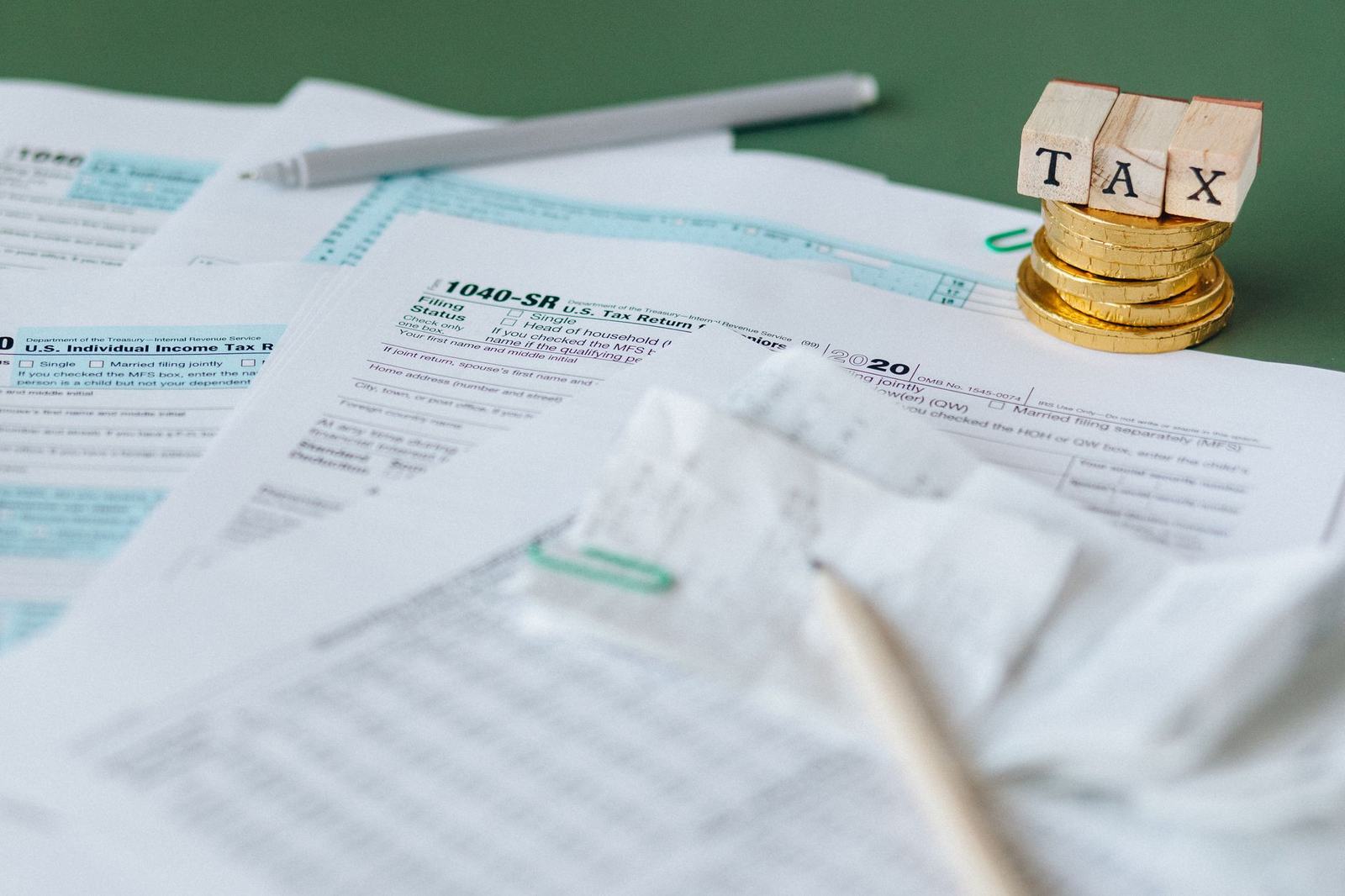
For UK residents, crypto is treated as property for capital gains tax rather than as currency. You have a gain when you dispose of it, and disposal covers selling for pounds, swapping one for another, spending it, and giving it away to anyone other than a spouse or civil partner.
The annual exempt amount was £3,000 for 2024-25 and remains £3,000 now, down from £12,300 three years earlier, which is why more people have been dragged into filing. Rates changed mid-year: disposals on or after 30 October 2024 are taxed at 18% or 24% depending on your income band, up from 10% and 20% before that date. Returns for the 2025-26 tax year are due online by 31 January 2027. Our UK crypto tax guide covers how the records are supposed to work.
A note on the dollar figures
You’ll see this story reported in dollars. HMRC published in pounds, and the conversions have drifted: CoinDesk’s summary gives $1.87bn for the £1.38bn total while its own body text says $1.77bn. Neither is wrong exactly, they’re just different exchange rates applied to a sterling dataset. The pound figures are the ones HMRC actually stands behind.
What to watch
Next year’s edition of this release. One year of data is a baseline and nothing more; a second year shows whether the nudge letters and the new return section are pulling more people in.
After that, 2027, when crypto firms begin reporting customer data to HMRC. That is the first point at which anyone can compare what was declared with what the exchanges saw, and the first honest test of how complete these figures were.